
Apple’s 2026 iPhone cycle represents one of the most structurally significant pivots in its smartphone strategy in over a decade. With the introduction of the iPhone 18 Pro lineup alongside the experimental iPhone Duo foldable, Apple is moving away from a single linear product roadmap toward a dual-track architecture separating core revenue stability from experimental innovation. (Reuters, 2026)
This shift reflects broader pressures in the global smartphone market, including slowing upgrade cycles, hardware saturation, and increasing segmentation in premium device demand. (WSJ, 2026)
FROM ITERATION TO SEGMENTATION
For most of its history, Apple followed a linear upgrade model—each iPhone generation improved incrementally while maintaining a unified product identity.
The 2026 lineup breaks this structure.
The iPhone 18 Pro and Pro Max continue Apple’s traditional performance-driven evolution, with improvements in processing power, thermal efficiency, and camera systems. (Wired, 2026)
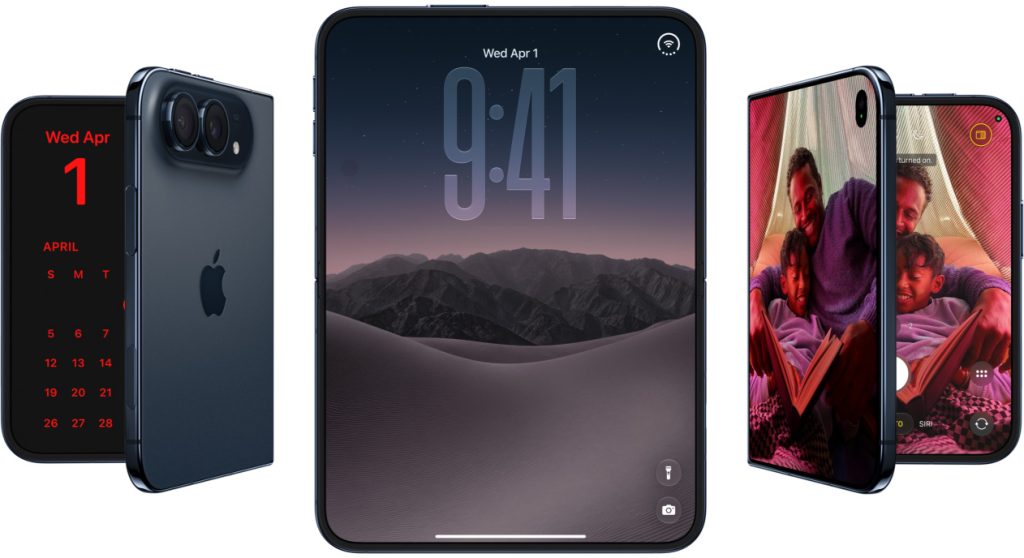
By contrast, the iPhone Duo introduces a foldable dual-display form factor priced near $2,000, positioning it in a niche category that remains a small portion of global shipments. (Reuters, 2026)
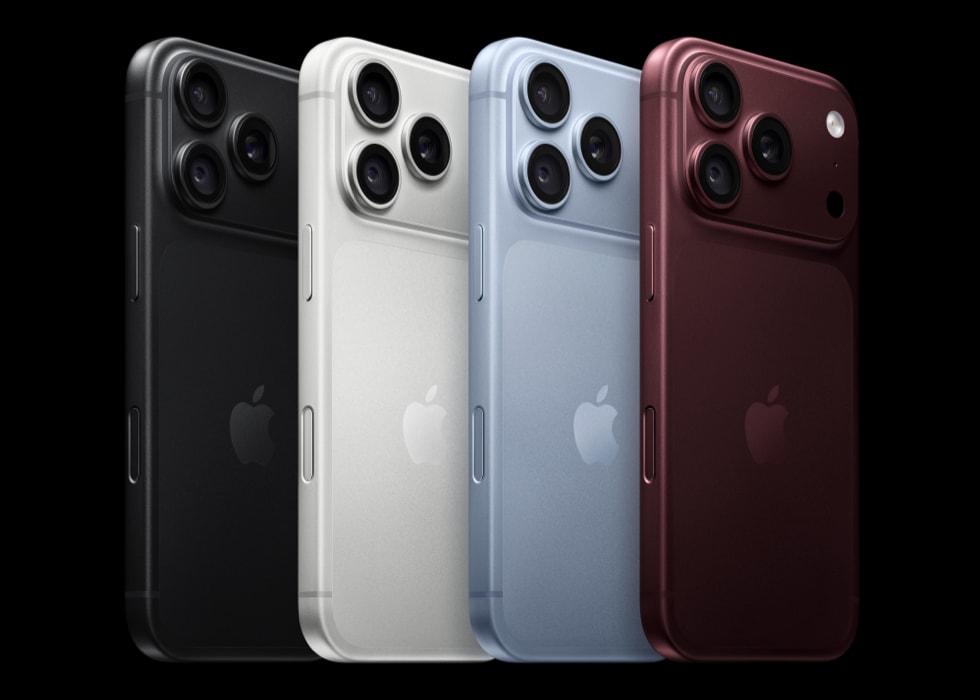
This divergence signals a structural shift: Apple is no longer optimizing a single product line but actively segmenting its hardware strategy into distinct market tiers.
THE iPHONE DUO: CATEGORY CREATION VS MARKET FIT
The central challenge of the iPhone Duo is not hardware capability, but market definition.
Analysts cited by Reuters note that foldables remain a small percentage of total smartphone shipments globally, suggesting limited mainstream penetration despite increasing visibility. (Reuters, 2026)
This creates a structural ambiguity:
- The product is too expensive for mass adoption
- Too experimental for mainstream replacement cycles
- Too premium to compete on volume
Editorial insight:
Apple appears to be prioritizing category creation over category fit, attempting to define a new usage paradigm rather than respond to existing demand. This approach mirrors earlier disruptive entries such as the iPad, though outcomes in new categories have historically been mixed (e.g., Vision Pro adoption constraints). (Bloomberg analysis cited via Barron’s, 2026)
HARDWARE PARITY, SOFTWARE DIFFERENTIATION
From a competitive standpoint, Apple is not first in foldable hardware. Samsung and other manufacturers have iterated multiple generations of foldable devices with refinements in hinge durability and display integration.
Industry analysis from The Verge suggests Apple’s differentiation strategy is less about hardware leadership and more about ecosystem integration across iOS and adjacent Apple devices. (The Verge, 2026)
This reinforces Apple’s historical strategy:
compete on system integration rather than specification leadership.
Editorial insight:
The iPhone Duo should be understood less as a hardware innovation and more as an ecosystem expansion node, extending Apple’s software lock-in into a new device category.
PREMIUMIZATION AND THE EXPANDING PRICE LADDER
Apple’s pricing strategy continues to move upward.
The iPhone 18 Pro occupies the high-end mainstream tier, while the iPhone Duo pushes into ultra-premium pricing territory near $2,000 or above. (Wired, 2026)
According to financial analysis from Barron’s, Apple’s long-term strategy increasingly emphasizes margin expansion over unit growth, relying on higher average selling prices to sustain revenue momentum. (Barron’s, 2026)
Editorial insight:
The iPhone Duo may function less as a volume product and more as a price anchor, redefining perceived value across the entire iPhone lineup. By introducing an extreme premium tier, Apple effectively shifts consumer perception of what constitutes “expensive” versus “standard premium.”
CULTURAL POSITIONING: TECHNOLOGY AS STATUS SIGNAL
Beyond financial positioning, Apple’s launch strategy increasingly overlaps with cultural positioning.
Industry reporting indicates the iPhone Duo has been positioned in high-visibility entertainment and celebrity contexts, reinforcing its role as a status object rather than purely a productivity device. (Business Insider / entertainment coverage, 2026)
At the same time, Apple’s broader ecosystem—including Apple TV+—has strengthened its integration with Hollywood and entertainment industries. (Barron’s, 2026)
Editorial insight:
Apple is increasingly operating at the intersection of technology and luxury branding. The iPhone Duo is not simply a smartphone—it is a signal of cultural and economic positioning, similar to high-end watches or fashion accessories.
THE STRATEGIC AI QUESTION
While competitors aggressively emphasize artificial intelligence as the next smartphone battleground, Apple’s strategy appears more restrained and hardware-focused.
Financial analysis from Barron’s suggests Apple is prioritizing hardware differentiation over AI-driven feature competition, likely due to concerns about AI commoditization across platforms. (Barron’s, 2026)
Editorial insight:
Apple’s implicit bet is that form factor innovation remains more defensible than software intelligence, especially as AI capabilities become increasingly standardized across devices and ecosystems.
This represents a strategic divergence from industry narrative momentum, where AI is currently the dominant investment thesis.
A DUAL-TRACK FUTURE ARCHITECTURE
The coexistence of iPhone 18 Pro and iPhone Duo suggests a long-term structural evolution in Apple’s product strategy.
Track 1: Core iPhone Line (18 Pro series)
- predictable upgrade cycles
- mass premium adoption
- stable revenue base
Track 2: Experimental Devices (Duo and successors)
- new interaction paradigms
- limited but high-margin adoption
- brand amplification and category testing
This structure allows Apple to simultaneously stabilize and experiment without exposing core revenue streams to high volatility.
CONCLUSION: CONTROLLED EXPANSION, NOT DISRUPTION
Apple’s 2026 iPhone strategy should not be interpreted as a radical disruption but rather a controlled expansion of its hardware portfolio architecture.
The iPhone 18 Pro maintains continuity with Apple’s existing business model. The iPhone Duo introduces controlled experimentation into new form factors.
Final editorial insight:
The strategic importance of the iPhone Duo is not its sales performance, but its ability to redefine expectations of what an iPhone can be.
If successful, it will not necessarily create a new mass-market category immediately. Instead, it will function as a future signaling device, shaping consumer perception and preparing the market for the next phase of Apple’s product evolution.
Disclaimer: This article is for informational and analytical purposes only and includes editorial interpretation based on publicly available sources. It is not financial, investment, or official corporate advice. Views expressed as analysis or opinion do not represent any affiliated organization.







Leave a Reply