
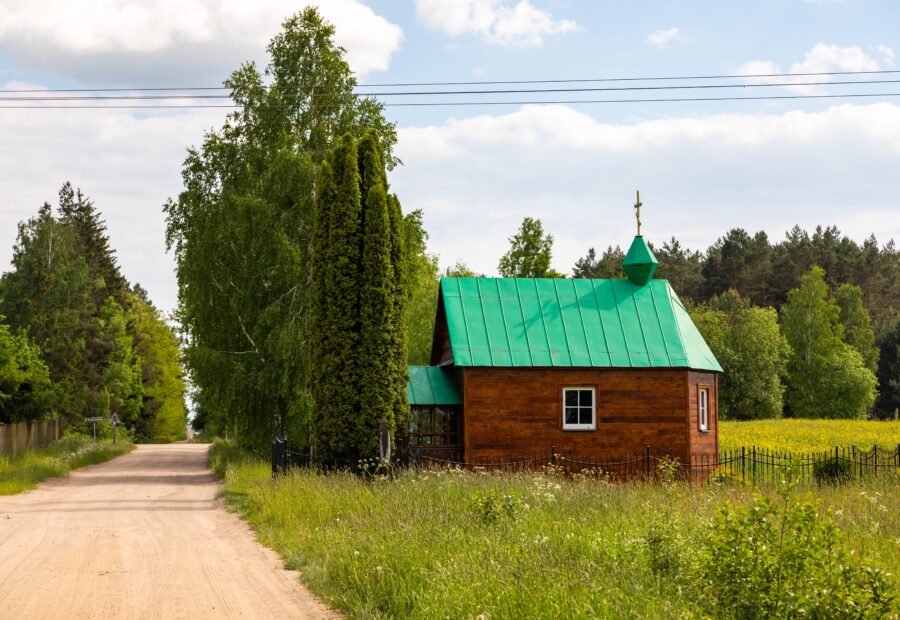
The World’s New Obsession: Chasing Untouched Nature to Heal
For years, the dream trip meant a big city break: packed malls, dazzling skylines, and an itinerary crammed with sightseeing. That dream is fading fast. An era of constant connectivity and relentless work pressure has pushed adult stress levels worldwide to alarming highs, and people are responding by putting down their phones and heading into the woods.
The travel map is shifting accordingly. Countries with dense rainforests, untouched mountain ranges, and strictly protected national parks are seeing demand rise sharply, and the numbers back this up. The Global Wellness Institute valued wellness tourism at $651 billion in 2022 and forecast that it would pass $1 trillion in 2024 and reach $1.4 trillion by 2027. This isn’t a fringe interest confined to yoga retreats and spa hotels anymore. Nature immersion, digital detox, and quiet, restorative escapes are becoming a mainstream reason people travel at all, and one of the fastest-growing categories within a much larger wellness economy that has already doubled in size over the past decade.
The Psychology Behind “Forest Bathing”
The concept driving much of this shift is shinrin-yoku, or “forest bathing,” a term coined in Japan in 1982 by the country’s Ministry of Agriculture, Forestry and Fisheries. It isn’t a hike or a fitness challenge. It’s slow, deliberate immersion: walking without a destination, sitting still, and using all five senses to take in a forest’s atmosphere rather than rushing through it on the way to a viewpoint.
The science behind the idea has grown substantially since then. Systematic reviews pooling data from dozens of peer-reviewed studies have consistently found that cortisol levels, the body’s main stress hormone, drop significantly after time spent in forests compared with time spent in urban settings. Other reviews report reductions in blood pressure and pulse rate, improved immune markers such as natural killer cell activity, and a shift toward the calmer, “rest and digest” branch of the nervous system. Researchers point to phytoncides, airborne organic compounds released by trees, along with negative air ions and simply the visual complexity of a forest, as possible contributors to these effects.

It’s worth being precise here rather than overselling it. Scientists studying shinrin-yoku are candid that study designs still vary a lot in quality, sample size, and how “forest exposure” is measured, so forest bathing isn’t yet a standard medical prescription the way, say, exercise is. But the overall direction of the evidence is consistent enough that public health researchers now describe it as a promising, low-risk, non-pharmacological way to support both mental and physical health, not merely a wellness fad dressed up in scientific language. That distinction matters, because it’s the difference between a genuine, if still-developing, area of preventive medicine and empty marketing.
Nature Destinations Are Booming
The financial upside of this shift is very real. Wellness travelers already spend far more per trip than average tourists; Global Wellness Institute data for 2022 put international wellness travelers at 41 percent higher spending per trip than typical international visitors, and domestic wellness travelers at 175 percent more than average domestic trips. That premium is pulling serious investment toward destinations rich in forests, mountains, and biodiversity, from boutique eco-lodges in national park buffer zones to hotel groups expanding spa and nature-immersion offerings across entire regions.
What today’s travelers are chasing isn’t luxury in the traditional sense of marble lobbies and infinity pools. Researchers at the Global Wellness Institute describe a clear shift away from performance-driven wellness, the kind built around fitness metrics and Instagram-ready workouts, toward something quieter: calming an overstimulated nervous system. That means slower daily rhythms, genuine digital disconnection, and simple, uncrowded environments rather than curated “wellness theatre.” Privacy is becoming a status symbol in its own right, arguably more valuable to many travelers now than a five-star pool or a rooftop bar. There’s also a growing preference for shorter, closer-to-home nature escapes, sometimes called “cocooning” trips, as travelers seek reassurance and simplicity rather than complex, long-haul journeys.
Countries with expansive, well-preserved national parks and rich, intact ecosystems are perfectly positioned to meet this demand, because the “product” they’re selling isn’t an amenity that can be built quickly elsewhere. It’s stillness, biodiversity, and scale, qualities that took centuries to form and that no resort can manufacture from scratch.
The Conservation Trade-Off
But there’s a real tension built into all of this. When a “wellness” destination becomes popular, it draws exactly the kind of crowds that can undermine what made it special in the first place. Fragile ecosystems, thin mountain trails, and small forest reserves can’t absorb unlimited foot traffic without lasting damage, no matter how well-intentioned the visitors are.
Some countries are managing this trade-off deliberately rather than leaving it to chance. Bhutan is the clearest global example. It enforces a Sustainable Development Fee, currently $100 per adult per night for most foreign visitors, that directly funds conservation projects and infrastructure while intentionally keeping tourist numbers well below what the country’s landscapes could otherwise attract. In 2024, Bhutan welcomed just over 145,000 tourists, a tiny fraction of neighboring India’s roughly 20.6 million international tourist arrivals that same year, and that gap is by design rather than accident. The government has openly framed this as a “high-value, low-volume” strategy: fewer visitors, each paying more, with the proceeds funneled back into protecting the environment those visitors came to see.
Other destinations rely on different tools built around the same logic, including strict visitor caps at national parks, timed-entry permit systems, mandatory local guides, and seasonal closures that give ecosystems time to recover. The underlying principle is the same everywhere it’s applied successfully: healing people’s minds shouldn’t come at the cost of wounding the very landscapes that make that healing possible. Where that balance breaks down, and it sometimes does, popular nature destinations can end up degraded within a single generation, which defeats the entire purpose of “green” travel.
Conclusion
The pull toward mountains and forests looks less like a passing fad and more like a genuine reckoning, a collective reminder that humans remain deeply tied to the natural world even after decades of urban life pulling us away from it. Getting this right at scale will take real cooperation: governments willing to cap visitor numbers even when it means turning away revenue, tourism operators willing to prioritize long-term preservation over short-term bookings, and travelers willing to slow down, follow local rules, and treat conservation fees as an investment rather than an inconvenience. Done well, wellness tourism doesn’t just help stressed travelers reset. It can give the world’s remaining wild places a stronger economic reason to stay wild.
So tell us: which country or national park is currently at the top of your bucket list? Share your dream nature escape with the Blog Daily Life community in the comments below!
Sources
- International Journal of Biometeorology (Springer): Effects of forest bathing (shinrin-yoku) on levels of cortisol as a stress biomarker: a systematic review and meta-analysis
- Environmental Health and Preventive Medicine (via PubMed Central): Medical empirical research on forest bathing (Shinrin-yoku): a systematic review
- Global Wellness Institute: Wellness Tourism Will Cross the $1 Trillion Mark in 2024
- Global Wellness Institute: Wellness Market Hits Record $6.8 Trillion, Will Reach Nearly $10 Trillion by 2029
- The Bhutanese: Bhutan gets 145,065 tourists in 2024
- TTG Asia: Bhutan lowers tourist levy to draw more international visitors
- The Policy Edge (summarizing India Ministry of Tourism data): India Tourism Data Compendium 2025 Shows 20.57 million Arrivals
Disclaimer: This content is for informational purposes only and is not a substitute for professional medical advice, diagnosis, or treatment.








Leave a Reply