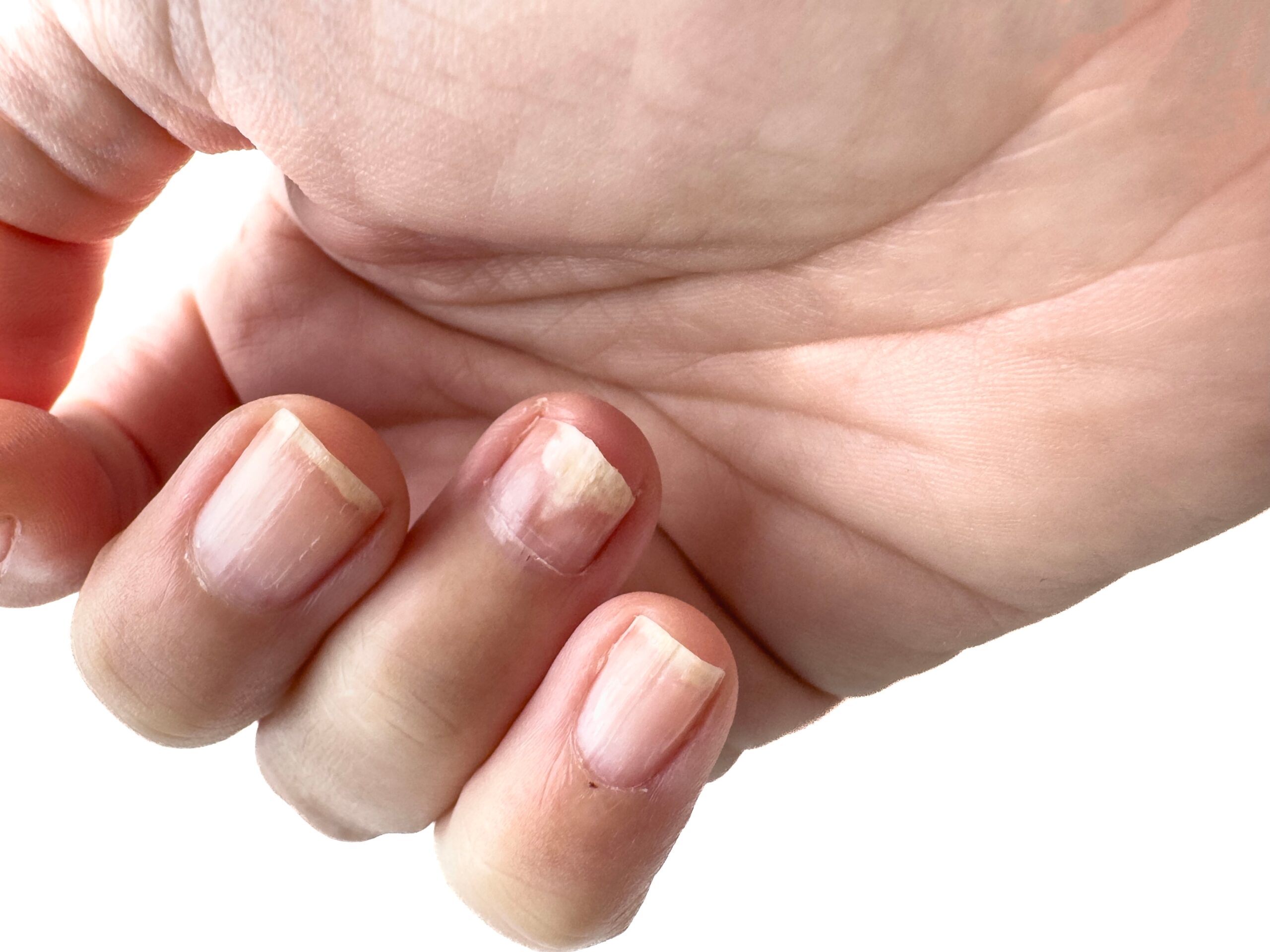
Your fingernails may seem like an unlikely place to look for clues about aging, but changes in their growth, color, texture, and shape can sometimes reveal useful information about what is happening inside the body.
Harvard genetics researcher Dr. David Sinclair, known for his work on aging and longevity, has discussed paying attention to how quickly his fingernails grow as one informal way of observing changes associated with aging. The idea has attracted attention because nail growth depends on the body’s continuous production of new cells.
However, fingernails cannot actually tell someone exactly how long they will live. Nail growth is better viewed as one small biological clue rather than a reliable predictor of life expectancy.
Why Nail Growth Changes as We Age
One of the most noticeable age-related changes is that fingernails generally grow more slowly over time.
Sinclair has pointed to older research examining nail growth across different age groups. A frequently cited 1979 study involving hundreds of people found that fingernail growth gradually declined with age, with the rate decreasing by roughly 0.5% per year after around age 30.
This makes biological sense. Nails grow from cells produced in the nail matrix, located underneath the skin at the base of the nail. As these cells multiply, older cells are pushed forward, harden, and eventually form the visible nail plate.
Cellular processes throughout the body tend to change as people age, which can influence how quickly nails grow.
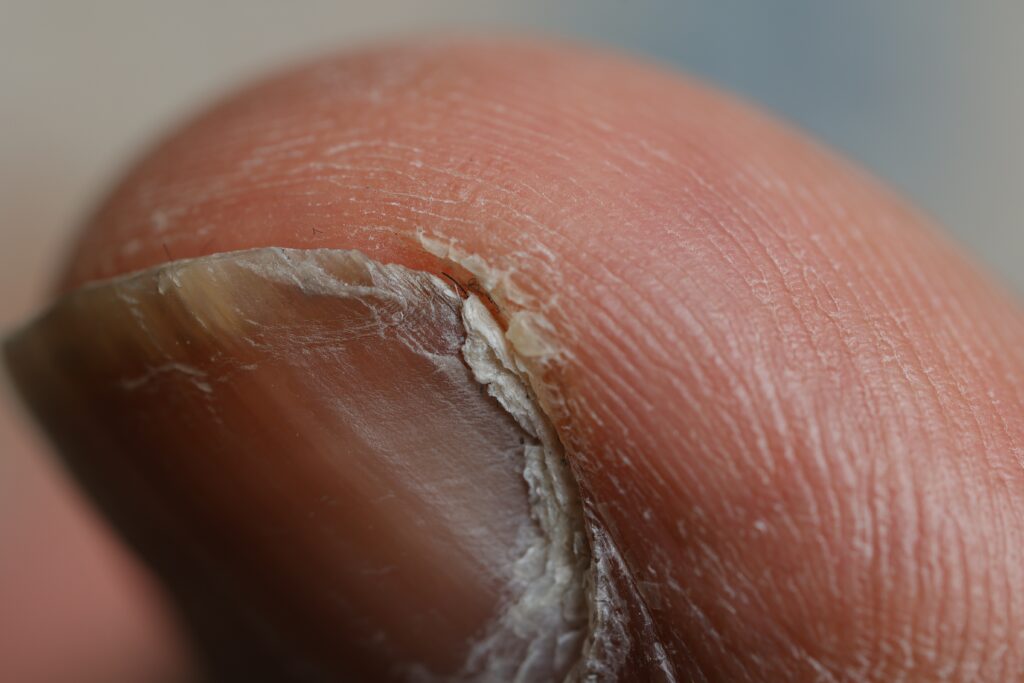
Sinclair has said he sometimes pays attention to how frequently he needs to trim his nails as a simple personal observation of aging. But this should not be confused with a clinically validated longevity test.
A person whose nails grow quickly is not necessarily going to live longer than someone whose nails grow slowly. Genetics, nutrition, illness, medications, circulation, injuries, and other factors can all affect nail growth.
Chronological Age vs. Biological Age
The discussion also highlights an important distinction between chronological and biological age.
Chronological age is simply the number of years since a person was born. Biological age is a broader concept describing how well the body’s cells, tissues, and organs are functioning relative to what might typically be expected at a particular age.
Two people can both be 60 years old while having very different levels of cardiovascular health, physical fitness, metabolic function, and other biological characteristics.
Researchers are therefore studying a wide range of potential biomarkers that could provide a more complete picture of biological aging.
Nail growth may reflect certain aspects of cellular activity, but it is only one observation among many. It should not be treated as a stand-alone measurement of biological age or longevity.
Your Nails Can Reveal Other Health Clues
While nails cannot reliably predict life expectancy, certain nail changes can sometimes be associated with medical conditions.
For example, a new dark streak underneath a fingernail deserves medical attention, particularly if it changes over time, because in some cases pigmentation beneath the nail can be associated with melanoma.
Small pits or depressions in the nail surface can occur in people with psoriasis and some other inflammatory skin conditions.
Unusually pale nails may sometimes be associated with anemia, while blue or bluish nails can indicate that tissues are not receiving enough oxygen.
Another change doctors watch for is nail clubbing, in which the fingertips enlarge and the nails curve around them. Clubbing can sometimes occur alongside chronic lung, cardiovascular, liver, or gastrointestinal disease.
Yellow nails can also have several explanations. Fungal infections are common causes, but persistent changes may occasionally be associated with other medical conditions.
The important point is that nail appearance alone usually cannot diagnose a disease.
Sometimes a Nail Problem Is Just a Nail Problem
Not every change should cause alarm.
Brittle, cracked, or peeling nails are extremely common and may result from repeated exposure to water, detergents, cleaning products, nail-polish remover, or dry environmental conditions.
Frequent cycles of wetting and drying can weaken the nail structure over time.
Using moisturizer and protecting the hands when working with water or household chemicals may help. Some dermatologists recommend moisturizing products containing ingredients such as lanolin or alpha hydroxy acids for people struggling with brittle nails.
However, persistent brittleness can sometimes be associated with factors such as iron deficiency or thyroid problems.
This is why self-diagnosis can be misleading.
Taking iron supplements simply because your nails have become brittle, for example, is not necessarily appropriate. A healthcare professional can determine whether testing is needed and whether an actual deficiency exists.
Can Your Fingernails Really Predict How Long You’ll Live?
Despite attention-grabbing claims online, there is currently no simple fingernail test that can tell you your life expectancy.
The rate at which nails grow may change with age and could provide a small window into cellular activity, which helps explain Sinclair’s interest in monitoring his own nail growth.
But longevity is far more complicated.
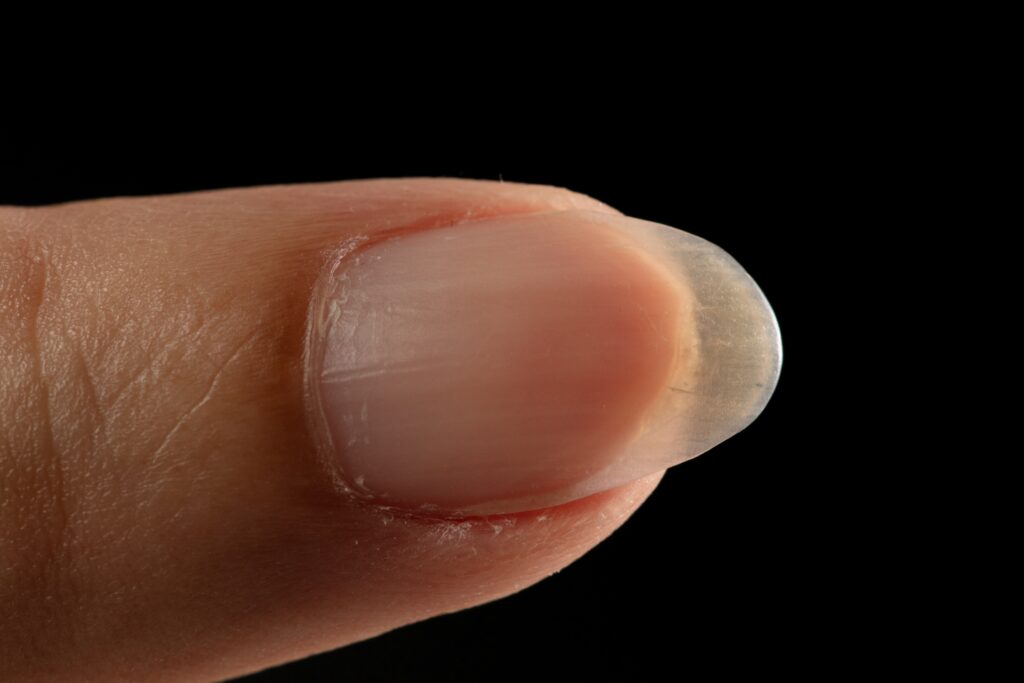
Genetics, cardiovascular health, smoking, physical activity, nutrition, metabolic health, environmental exposures, medical care, and numerous other factors influence aging and mortality risk.
Fingernails should therefore be considered potential health indicators—not fortune tellers.
Still, paying attention to them can be worthwhile. Sudden or persistent changes in nail color, shape, thickness, texture, or growth rate may provide a reason to speak with a doctor or dermatologist.
The most useful lesson isn’t that your nails can reveal exactly how long you will live.
It’s that even something as ordinary as a fingernail can occasionally provide clues worth paying attention to.
Sources
Medical Disclaimer: This article is for general informational and educational purposes only and is not intended to provide medical advice, diagnosis, or treatment. Changes in fingernails can have many possible causes and should not be used to predict life expectancy or diagnose a medical condition. If you notice persistent or unusual changes in your nails or have concerns about your health, consult a qualified healthcare professional.