How to tell ordinary winter blues from seasonal affective disorder, and what helps: morning light, light boxes, movement, sleep, connection and treatment.
The clocks fell back, and suddenly it’s dark before dinner. You’re more tired than usual, you want to skip the gym, and carbohydrates have never looked better.
For many people, a dip in mood and energy during the darker months is a normal reaction to less daylight. For some, it becomes something more serious: seasonal affective disorder, or SAD, a type of depression that follows the seasons. Here’s how to tell the difference, and what actually helps.
Winter Blues vs. Seasonal Affective Disorder
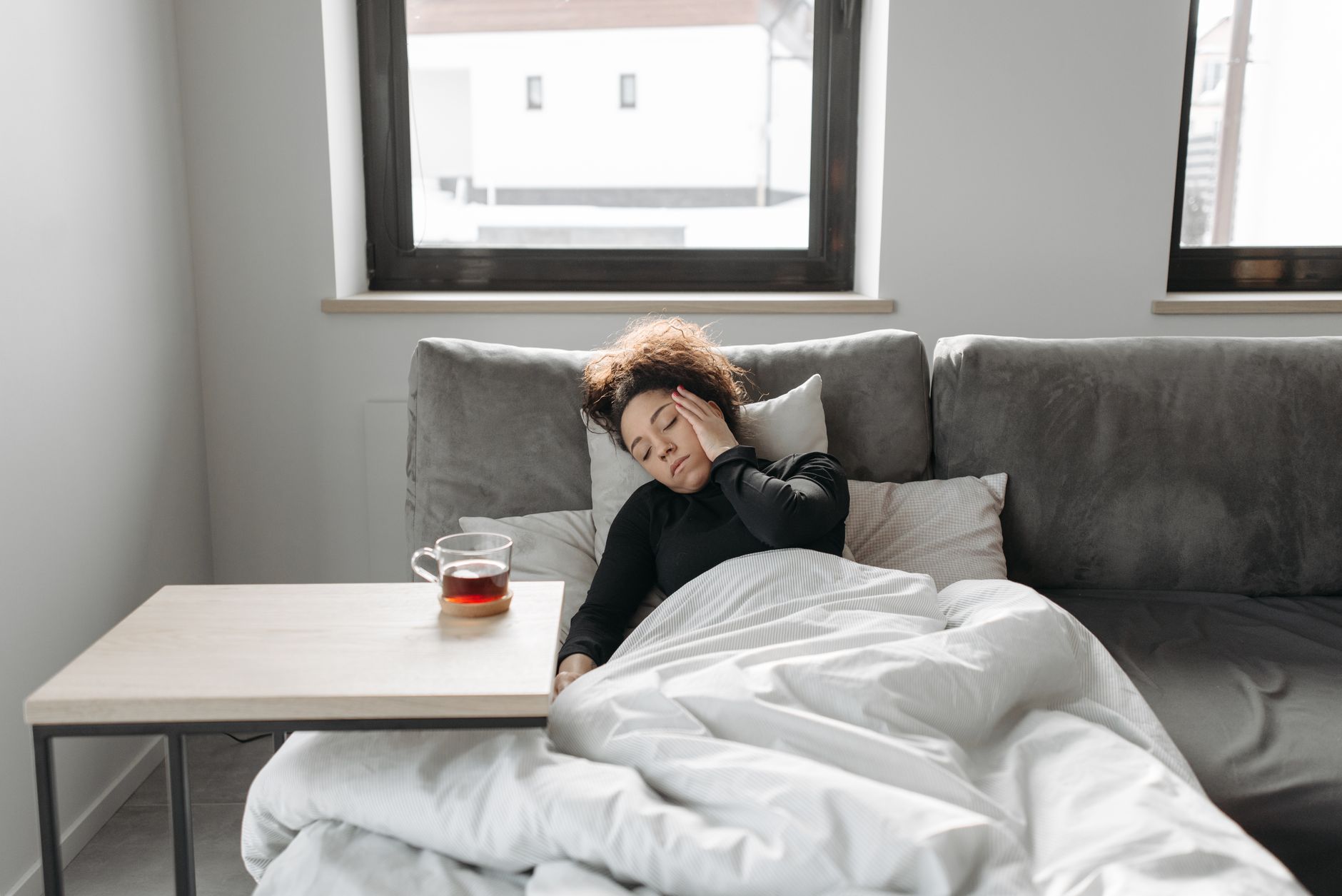
The “winter blues” is not a medical diagnosis. It usually means feeling a bit flat, sluggish, or less motivated when the days are short, while still getting on with life fairly normally.
Seasonal affective disorder is different. The National Institute of Mental Health (NIMH) describes it as a type of depression that comes and goes with the seasons, most often starting in late fall or early winter and easing in spring and summer. To be diagnosed, the pattern has to repeat for at least two years in a row, and symptoms have to meet the criteria for major depression.
Winter-pattern SAD often includes:
- Feeling down most of the day, nearly every day
- Losing interest in things you usually enjoy
- Sleeping much more than usual
- Craving carbohydrates and gaining weight
- Low energy and trouble concentrating
- Pulling away from friends and family, a kind of “hibernating”
NIMH notes that SAD is more common in women and in people who live farther north, where winter days are shortest. Someone in Alaska or New England is more likely to develop it than someone in Texas or Florida.
Why Shorter Days Affect Mood
Researchers don’t fully understand what causes SAD, but less sunlight appears to play a central role. Light is the main signal that keeps your body clock on schedule. When mornings are dark, that clock can drift, which can affect sleep and mood. NIMH points to differences in serotonin, a brain chemical linked to mood, and in melatonin, the hormone that helps regulate sleep, as likely parts of the picture.
The end of daylight saving time, which in the U.S. fell on November 1 this year, makes the change feel sudden. The sun sets about an hour earlier on the clock overnight, and many people notice their energy shift right along with it.
Get Outside in the Morning
The simplest thing you can do is get daylight early. Even on a cloudy winter day, outdoor light is far brighter than ordinary indoor lighting. A short walk in the morning, coffee on the porch, or walking part of your commute can help keep your body clock anchored.
A few ways to sneak in more light:
- Open the blinds as soon as you get up.
- Move your desk or favorite chair closer to a window.
- Take a walk at lunch instead of eating at your desk.
- Trim branches or move furniture that blocks windows.
Consider a Light Therapy Box
Light therapy has been a main treatment for SAD since the 1980s, according to NIMH. It involves sitting near a special lamp that gives off very bright light, typically 10,000 lux, which NIMH says is about 20 times brighter than ordinary indoor light. The usual routine is about 30 to 45 minutes a day, most often first thing in the morning, from fall through spring. You don’t stare into it; it just sits within your field of view while you eat breakfast or read. Many people notice improvement within a couple of weeks.
A few cautions before you buy one:
- Talk to your doctor first, especially if you have an eye condition, take medication that makes you sensitive to light, or have bipolar disorder.
- Choose a box designed for SAD that filters out UV light. A regular bright lamp or tanning bed is not the same thing.
- Timing matters. Using it late in the day can make it harder to fall asleep.
Keep Moving
When you’re tired, exercise is the first thing to go. But regular physical activity is one of the most reliable mood boosters there is, and it doesn’t have to be intense. Brisk walking counts. If you can do it outdoors in daylight, you get two benefits at once.
Set the bar low enough that you’ll actually do it: a 15-minute walk after breakfast, a short online workout in the living room, or a standing date to walk with a friend. Having someone waiting for you makes it much harder to skip.
Protect Your Sleep Schedule
Winter can push you toward sleeping longer and later, which can leave you feeling groggier, not better rested. Try to keep a steady wake-up time every day, including weekends, and get light soon after you wake up. If you’re waking in the night and struggling to get back to sleep, our guide on how to fall back asleep at 3 a.m. walks through the techniques sleep specialists use.
Stay Connected, Even When You’d Rather Hibernate
The urge to stay in under a blanket is strong in winter, and some of that is fine. But isolation tends to make low mood worse. Put a few small social plans on the calendar ahead of time, so you don’t have to find the energy to make them in the moment: a weekly phone call, a standing coffee, a class, or a volunteer shift.
Eat for Steady Energy
Carbohydrate cravings are a well-known part of winter-pattern SAD. You don’t need to fight them completely, but meals built around protein, vegetables, beans and whole grains help keep energy steadier than a day of sweets and white bread. Keep easy, healthy options within reach for the moments when cooking feels like too much.
What About Vitamin D?
Because your skin makes vitamin D from sunlight, many people assume a supplement will fix winter mood. The evidence is mixed. NIMH notes that studies of vitamin D for SAD have had conflicting results. If you’re curious, ask your doctor about a simple blood test to see whether you’re actually low, rather than guessing at a dose.
When to Get Help
SAD is real depression, and it is very treatable. Besides light therapy, NIMH lists talk therapy (a version of cognitive behavioral therapy adapted for SAD) and antidepressant medication as effective options. Some people who know winter is hard for them start treatment in early fall, before symptoms set in.
Talk to a doctor or mental health professional if:
- Your low mood lasts most days for two weeks or more
- It’s affecting your work, relationships, or ability to take care of yourself
- You’re using alcohol or food to cope
- You notice the same pattern every winter
If you are having thoughts of suicide or self-harm, call or text 988 to reach the 988 Suicide and Crisis Lifeline, available 24 hours a day.
A Simple Winter Plan
- Get outdoor light within an hour or two of waking up.
- Keep the same wake-up time all week.
- Move your body every day, even for 15 minutes.
- Put social plans on the calendar in advance.
- Ask your doctor about a light box if the blues are getting heavier.
- Get help early if it starts to feel like more than the blues.
The days will start getting longer again after December 21. Until then, a little planning can make the dark months feel a lot lighter.
Disclaimer: This content is for informational purposes only and is not a substitute for professional medical advice, diagnosis, or treatment.