
The sale documents remained unsigned.
The buyer’s contractor lowered the pry bar.
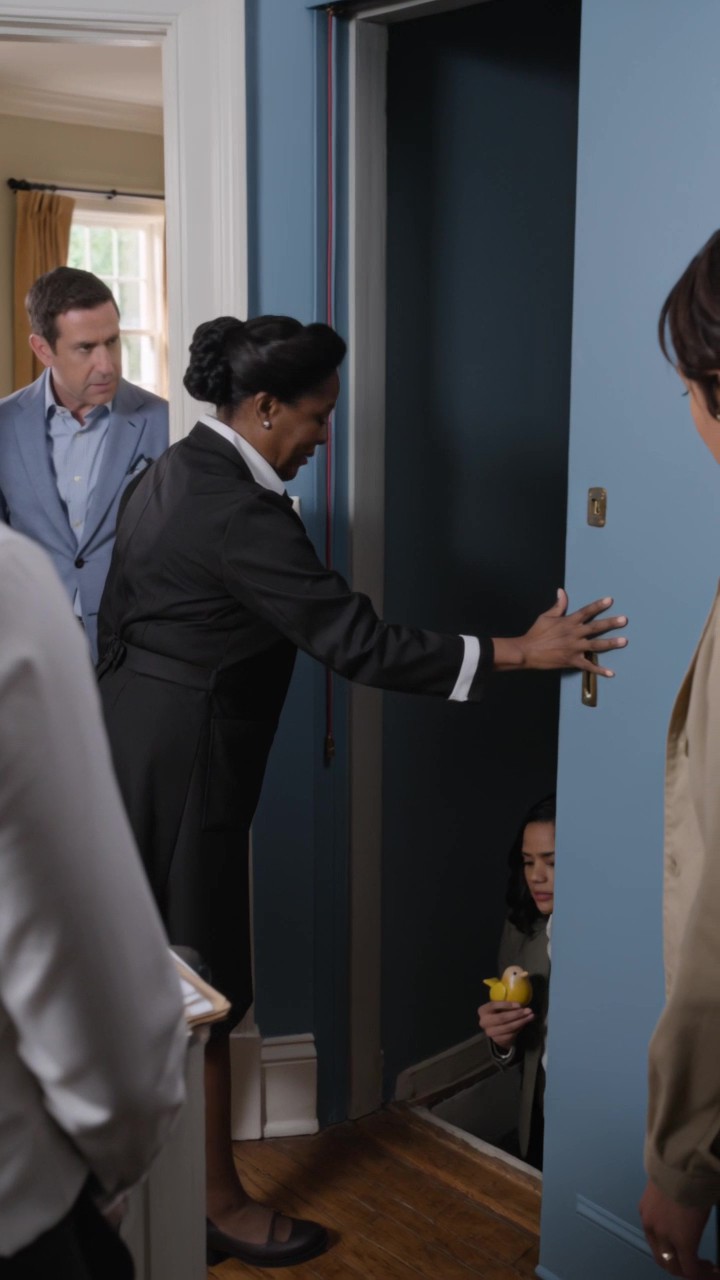
Charles Whitmore stood in the pantry while a narrow staircase appeared where he had believed only plaster and shelving existed.
The hidden passage descended beneath the oldest part of the house.
Rosa Bell took a flashlight from the drawer beside the sink.
She had replaced its batteries every month for eighteen years.
Vivian followed her down.
Charles came after them.
The staircase ended inside a low brick room with two small beds, a sink, a locked outside hatch, and shelves holding children’s books.
No treasure.
No jewelry.
No cash.
Only practical things.
Blankets.
Soap.
Canned soup.
A first-aid box.
Several wooden birds with different colored wings.
The room had been built during the house’s 1940s renovation as a storm cellar.
Decades later, Margaret Whitmore turned it into an emergency shelter.
Margaret was Charles and Vivian’s mother.
To the town, she was known for garden clubs, museum donations, and a difficult temper.
To Rosa, she was also the woman who answered a private telephone after midnight.
Women called when home was no longer safe.
Sometimes a teacher called.
Sometimes a nurse.
Sometimes the county shelter was full.
Margaret opened the side garden gate.
Rosa prepared the basement room.
No names were written on the front calendar.
No cars remained in the driveway.
The people stayed one night, sometimes three, until an advocate arranged safer housing.
Margaret did not operate a legal shelter.
She was not trained to manage every danger.
The arrangement had risks.
That was one reason she kept it quiet.
The other was that several women came from families powerful enough to find them if the location became public.
Rosa knew the system because she ran it with Margaret.
Not as a servant obeying instructions.
As the person who made the room function.
She washed bedding separately.
Packed food without labels.
Kept children occupied upstairs while advocates made calls.
Tested the exterior hatch.
And gave each child a small wooden bird made from scraps in Margaret’s garden workshop.
The color of the wing showed which advocate had the follow-up file.
Yellow.
Blue.
Green.
Red.
No name needed to be spoken in the kitchen.
Vivian held the yellow-winged bird.
A memory returned in fragments.
Rain against basement glass.
Her mother telling her they were “camping downstairs.”
A woman with a bruised wrist sleeping in the second bed.
A little girl crying because she had left her doll.
Vivian had been six.
Margaret gave both girls wooden birds.
Vivian assumed it was a game.
The other child was Lena Morales, now the county shelter director standing near the exterior hatch.
Lena’s mother had arrived at the house after fleeing a violent husband.
The public shelter was full.
Margaret and Rosa hid them for three nights.
An advocate moved them to another county.
Lena kept the bird.
Years later, she learned the location from her mother but promised not to identify it while Margaret lived.
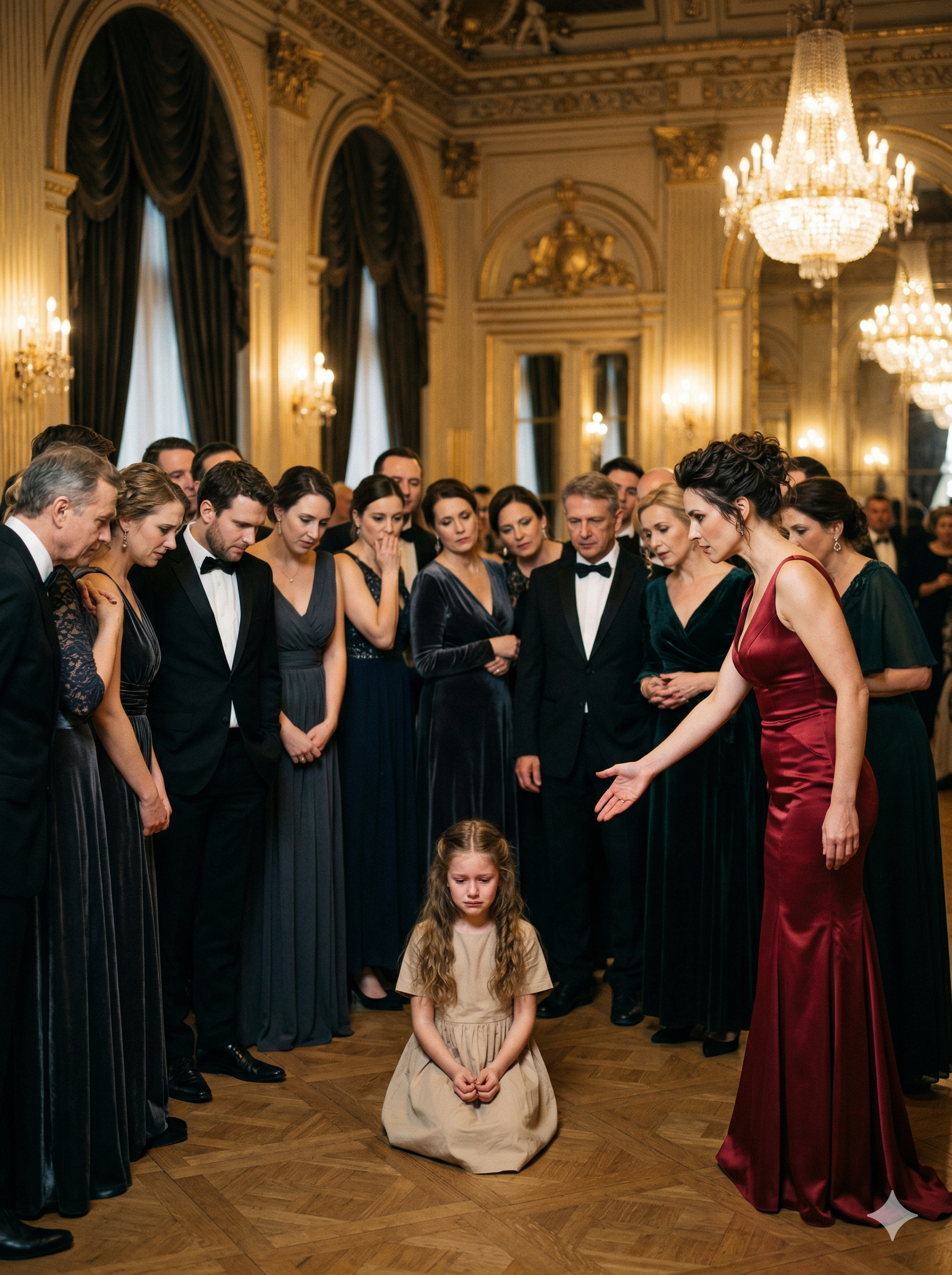
The family looked at Rosa.
Charles was angry before he was moved.
“You kept strangers beneath our house.”
“Your mother did.”
“You helped.”
“Yes.”
“What if one of their husbands came here?”
“One did.”
The room went quiet.
Rosa pointed to a repaired section of the exterior hatch.
Twelve years earlier, a man followed his wife’s friend to the street.
He walked around the house, demanding entry.
Margaret called police.
Rosa moved the woman and her son through the pantry staircase into an upstairs linen closet until officers removed him.
The risk had been real.
So had the need.
Charles looked around the room.
“Why did Mother never tell us?”
Rosa answered carefully.
“She tried to tell Vivian.”
Vivian looked up.
“When?”
“After your divorce.”
Vivian’s first marriage had become controlling and frightening.
Margaret offered her the basement room.
Vivian refused.
She believed accepting help meant admitting the family image had failed.
She moved into a hotel instead and later rebuilt her life.
Margaret did not press.
The yellow bird remained in the hidden room because Vivian left it there as a child.
Charles saw the story differently.
“Our mother allowed illegal activity in a family property. Now you reveal it during a sale.”
Rosa did not deny the timing.
The sale mattered.
After Margaret died, Charles decided the house cost too much to maintain.
The buyer planned to combine the pantry and kitchen, remove the exterior hatch, and fill the cellar.
Rosa objected.
Charles assumed she wanted to preserve her employment or secure a place to live.
She lived in her own apartment.
Her concern was a legal promise Margaret had made before death.
The hidden room was not merely a memory.
Margaret had signed a use agreement with the county women’s-support foundation.
The agreement granted the foundation a ten-year option to lease the cellar and side entrance for a symbolic amount if the main house changed ownership.
Rosa had a copy.
The attorney had another.
But Margaret’s estate lawyer retired and the digital file was misclassified under charitable pledges.
The sale contract did not disclose it.
Rosa had written to Charles twice.
His assistant forwarded the letters to property management as “housekeeper concerns.”
They were never read.
Lena brought the foundation’s certified copy.
The sale could not continue without resolving the agreement and making the hidden structure safe.
The buyer was furious.
Then curious.
The family expected him to withdraw.
Instead, he asked whether the room could remain as part of the renovation.
He owned a restaurant group and wanted the mansion as a private event venue.
A secret shelter beneath a luxury property created ethical and practical conflict.
People seeking emergency safety could not enter through weddings and corporate dinners.
The foundation did not want symbolic preservation that made actual use impossible.
Negotiations began.
The buyer eventually purchased the main house at a reduced price.
The foundation received permanent control of the side garden corridor, exterior hatch, and a newly renovated small apartment built where the old service garage had stood.
The hidden brick room became a historical training space, not active sleeping accommodation.
The new apartment met safety codes and operated through professional advocates.
That outcome was better than Margaret’s informal system.
It was also possible only because Rosa refused to let the wall disappear before anyone acknowledged what was behind it.
Charles apologized to Rosa.
At first, the apology focused on taking her keys.
She asked:
“What about the letters you did not read?”
He looked away.
Power often ignores warnings long before it becomes cruel in public.
Charles agreed to fund the renovation using part of his share from the sale.
Vivian contributed too.
Neither payment turned the family into heroes.
It repaired a promise their mother had made.
Rosa accepted a paid advisory role during the transition.
She did not continue as housekeeper after the property changed hands.
At sixty-one, she wanted work without uniforms chosen by someone else.
She joined Lena’s foundation part-time, training hotel and housing staff to recognize requests for emergency shelter and protect guest information.
The wooden birds were displayed inside the old brick room.
No survivors’ names appeared without consent.
Vivian’s yellow bird stayed in her hand for weeks.
She finally returned it to the shelf.
Next to it, she placed a new bird with an unpainted wing.
Rosa asked why.
“For the person who has not chosen where to go yet.”
The house reopened as an event property one year later.
Guests saw no dramatic secret door in the main kitchen.
The blue pantry wall remained, but the active shelter entrance stayed private and separate.
A small plaque in the garden said:
THIS HOUSE ONCE OFFERED A NIGHT.
THE COMMUNITY BUILT A SAFER MORNING.
Charles disliked the wording at first.
It did not mention the Whitmore name.
Rosa said:
“The people entering did not come for your name.”
The plaque remained.
The mansion’s secret was not that its elegant owner had hidden wealth.
It was that two women had used an ordinary pantry wall to create time for people who had run out of safe doors.



Leave a Reply