
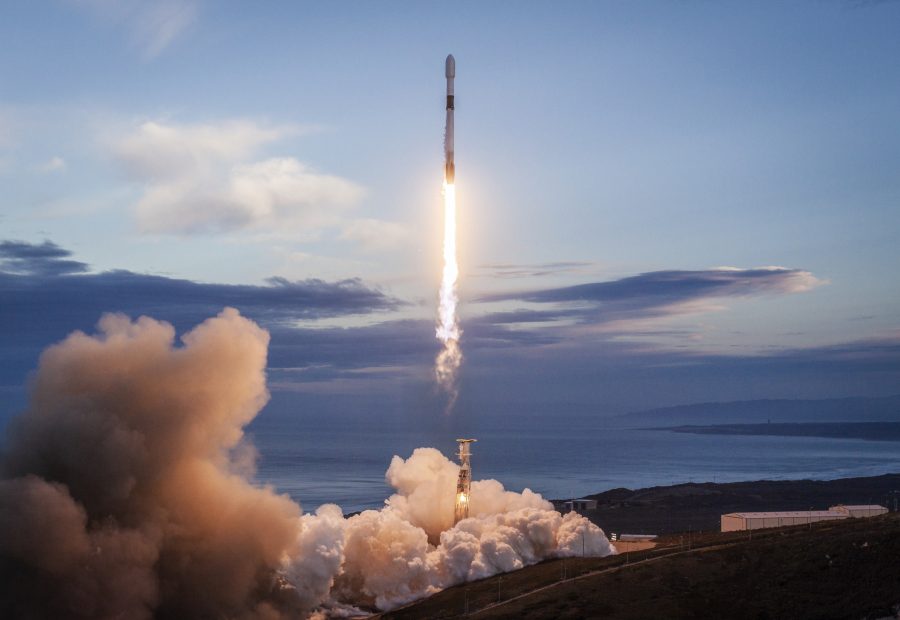
SpaceX Targets First Orbital Starship Flight on September 28
Flight 14 is expected to carry 26 Starlink V3 satellites and place Starship into sustained Earth orbit for the first time.
STARBASE, Texas — SpaceX is preparing to launch the 14th test flight of its Starship rocket on September 28, in what could become the vehicle’s first sustained orbital mission.
The launch is scheduled from SpaceX’s Starbase facility in South Texas during a 75-minute window opening at 5:15 a.m. Pacific Time, or 7:15 a.m. Central Time. The date remains dependent on regulatory approval, weather and final technical preparations, according to SpaceX’s official mission page.
Flight 14 would mark an important transition for the Starship program. Previous tests intentionally followed suborbital trajectories, even when the spacecraft reached space. This time, SpaceX plans to place the upper stage into low Earth orbit for approximately 10 hours.
If successful, the mission would provide the company with its most extensive test yet of Starship’s orbital performance, satellite-deployment system and ability to survive atmospheric re-entry.
Six Orbits Around Earth
Starship consists of the Super Heavy booster and an upper-stage spacecraft known as Ship.
After carrying the vehicle through the lower atmosphere, Super Heavy is expected to separate and perform a controlled descent into the Gulf of Mexico. SpaceX does not plan to recover the booster or catch it with the mechanical arms attached to the launch tower.

Ship will continue toward an altitude of approximately 275 kilometers, or 171 miles. It is scheduled to complete about six orbits before re-entering the atmosphere and targeting a splashdown in the Pacific Ocean west of Chile.
The longer mission will allow engineers to examine navigation, communications, thermal control and other systems under conditions more representative of future commercial flights.
First Operational Starlink Deployment
Flight 14 is scheduled to carry 26 Starlink V3 satellites, making it Starship’s first planned deployment of an operational payload.
The new satellites are larger than the Starlink spacecraft normally launched aboard SpaceX’s Falcon 9 rocket. Their size makes them better suited to Starship, which is being developed to carry much heavier and larger payloads.
Three satellites will reportedly carry cameras intended to observe Starship during atmospheric re-entry. The resulting footage could help engineers evaluate the spacecraft’s heat shield while it is exposed to extreme temperatures and aerodynamic forces.
SpaceX has previously tested Starship’s deployment system using satellite simulators and modified spacecraft. Flight 14, however, is intended to demonstrate that the rocket can place a commercially useful payload into orbit.
That distinction is important because Starship has so far operated mainly as an experimental launch system. A successful deployment would connect its development more directly to Starlink, SpaceX’s revenue-producing satellite network.
The launch was initially scheduled for September 22 before being moved to September 28, according to Space.com. SpaceX has not publicly provided a detailed reason for the change.
No Tower Catch Planned
Neither Super Heavy nor Ship will return to Starbase during Flight 14.
SpaceX ultimately intends to recover both stages at the launch site, allowing the vehicles to be inspected, refueled and flown again. The company has previously demonstrated the tower’s ability to catch a returning Super Heavy booster.
For Flight 14, however, orbital operations, payload deployment and re-entry performance are taking priority. Controlled water landings allow SpaceX to collect data without adding the complexity of returning the vehicles to the launch site.
A successful mission would not make Starship immediately ready for routine service. SpaceX must still demonstrate orbital refueling, consistent engine performance, precise recovery and rapid reuse across repeated flights.
The thermal-protection system also remains a major engineering concern. Thousands of protective tiles must shield Starship from the intense heat generated during its return through Earth’s atmosphere.
Why NASA Is Watching
NASA will be monitoring the flight because a modified Starship is being developed as a Human Landing System for the Artemis lunar program.
Under NASA’s revised plans, Artemis III will test critical lunar-landing systems in low Earth orbit, including rendezvous and docking operations. The return of astronauts to the lunar surface is expected to begin with Artemis IV, according to NASA’s updated Artemis III overview.
A lunar Starship would require capabilities not being tested on Flight 14. These include transferring cryogenic propellant between spacecraft, storing fuel for extended periods and completing an uncrewed lunar-landing demonstration.
Flight 14 is therefore not a direct test of the lunar lander. Nevertheless, sustained orbital operation is a necessary foundation for the refueling, docking and long-duration missions NASA will eventually require.
Even a successful flight would leave Starship with major technical challenges. However, completing six orbits, deploying satellites and surviving re-entry would move the program beyond short experimental flights and closer to practical orbital service.
For SpaceX, Flight 14 will test whether the world’s largest rocket can progress from reaching space to operating there.
Works Cited
- NASA. “Artemis III.” National Aeronautics and Space Administration. Accessed 19 Sept. 2026.
- Space.com. “SpaceX Pushes Next Starship Launch Back to Sept. 28 for First Orbital Flight.” Sept. 2026.
- SpaceX. “Starship Flight 14.” Accessed 19 Sept. 2026.






Leave a Reply