
Noah Brooks had scraped palms and a bruised knee.
The retractable bleacher row had folded hard enough to bend one metal footrest and trap several empty award programs between the seats.
No person remained in that section when it moved.
That was why the event became a safety investigation instead of a tragedy.
Marcus Bell heard the failure before anyone saw it.
Retractable bleachers are designed to extend into a gym for events and fold against the wall afterward.
Their weight is controlled by motors, rails, locking arms, and mechanical stops.
When fully extended, locking pins keep the seating from moving under people.
The red pin beneath Noah’s row should have been seated completely inside the bracket.
Marcus saw it trembling outward.
More importantly, he heard a repeating metallic chatter.
Not the normal creak of a crowd shifting.
A lock testing the edge of its own failure.
Before becoming the community center’s night custodian, Marcus spent nine years installing and repairing retractable seating in schools and small arenas.
He knew the systems well.
A hand injury ended the heavier field work.
The center hired him to clean floors, set chairs, and handle minor repairs.
His new job description did not mention structural seating.
His ears did not forget the sound.
Three weeks before the awards ceremony, Marcus noticed the front bleacher row settling unevenly after a volleyball game.
He submitted a maintenance report.
The contracted seating company inspected visually and said the system could remain in service until its scheduled annual maintenance.
Marcus then found red metal dust beneath the locking arm.
He submitted another report with photographs.
Facility manager Preston Hale classified it as “cosmetic wear.”
Closing the bleachers for repair would have displaced two tournaments, a school graduation rehearsal, and the youth awards event.
The center continued using them.
On awards night, parents entered quickly.
A volunteer seated Noah and his mother in the front row.
Marcus was carrying a trash bin across the gym when applause began.
The crowd’s movement placed changing load on the bleachers.
The chatter started.
Marcus looked beneath the seats.
The red pin moved.
He shouted:
“Clear the front row.”
Music and applause covered his voice.
He ran.
Noah leaned forward to pick up a dropped medal ribbon.
The row shifted slightly behind him.
Marcus had less than a second to choose.
He could attempt to explain.
Reach beneath the seat.
Find the emergency control.
Or move the child.
He used both hands and pushed Noah onto the padded court.
The action was abrupt.
Noah did not understand.
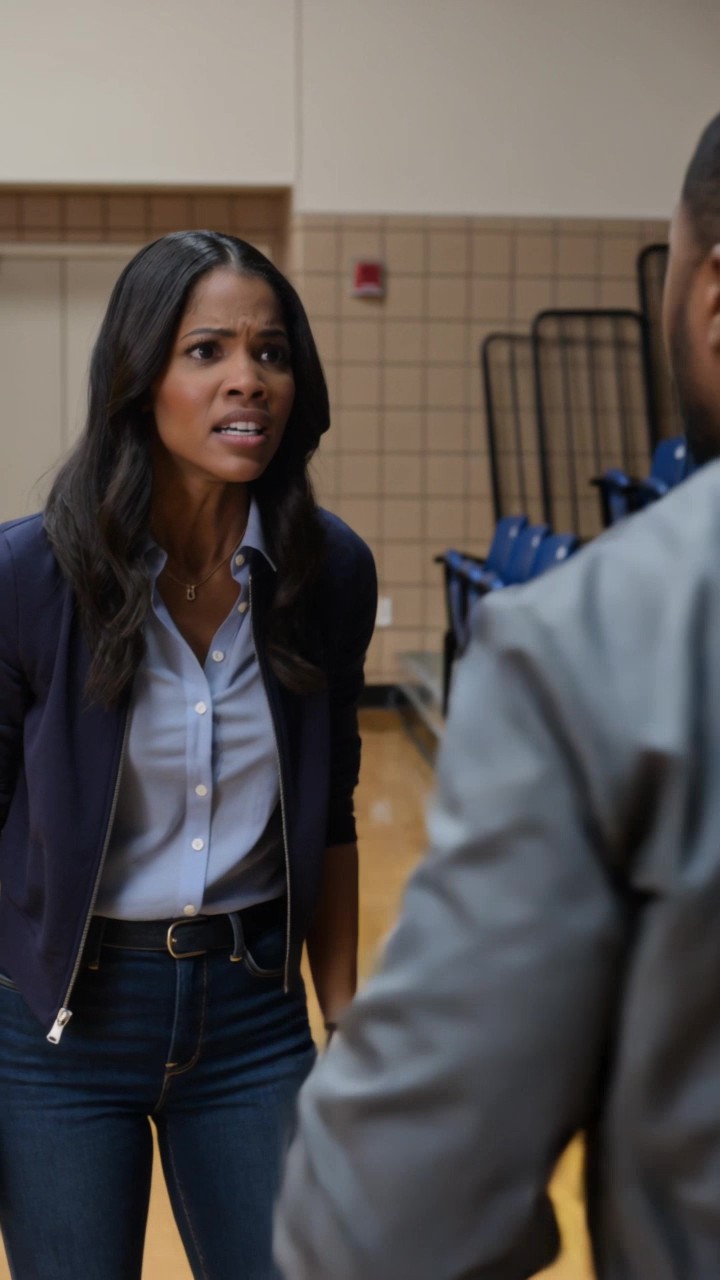
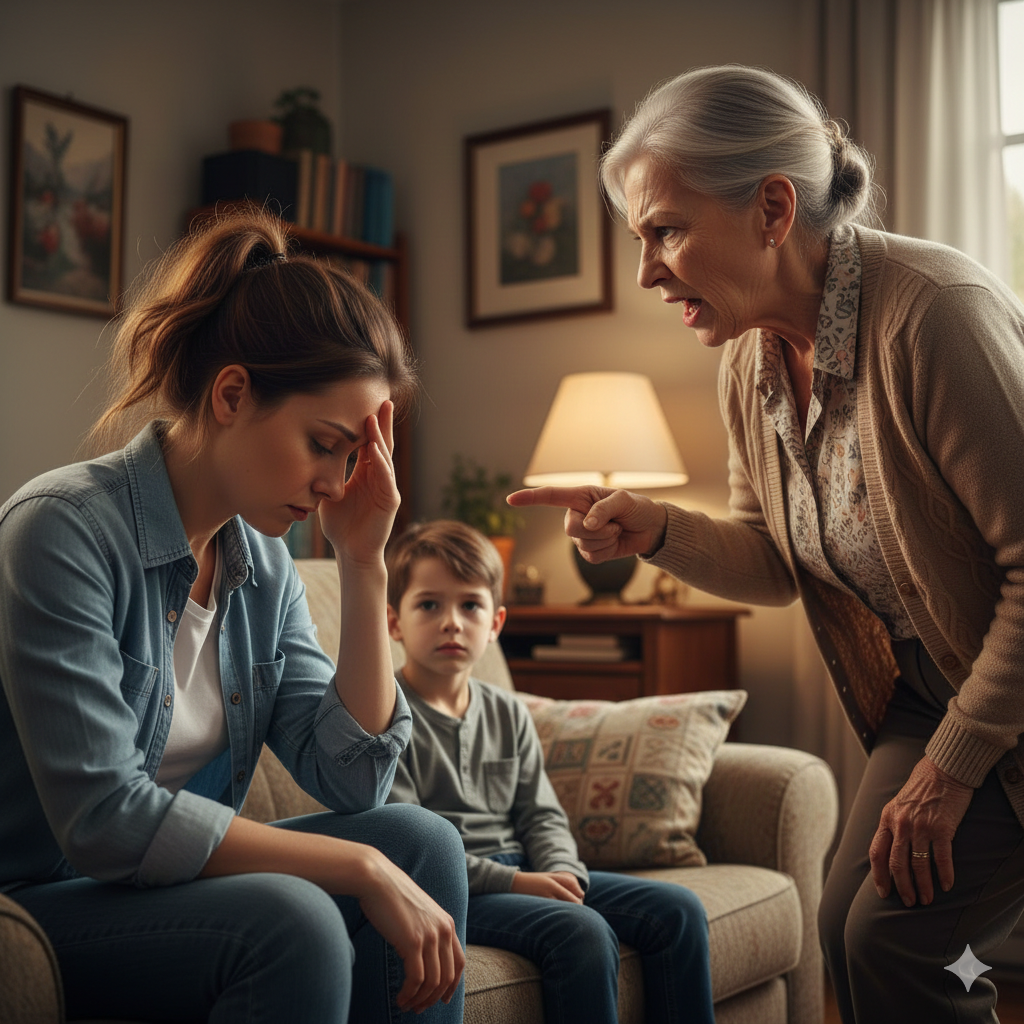
His mother Rachel saw a custodian strike her child without warning.
She reacted before hearing the mechanical explanation.
That response was human.
What happened afterward was the institutional failure.
Marcus said the row was moving.
Preston insisted the system was locked because the control panel showed the extended position.
Security restrained Marcus before anyone physically checked the red pin.
The panel reported where the motor had stopped.
It did not prove the mechanical lock still held.
The pin fell.
The row folded.
After the gym was evacuated, engineers inspected the system.
The locking arm had developed a crack near its mounting point.
The pin bracket was misaligned.
Repeated movement widened the gap until vibration could work the pin outward.
A limit switch still showed the bleachers fully extended.
The electrical indicator was correct about the motor position.
Wrong about the physical safety of the seats.
Marcus’s reports became central to the investigation.
The first contractor inspection had not included a load test.
The second report never reached the contractor because Preston closed it internally.
He believed Marcus was overstepping the custodian role.
He also feared cancellation costs.
At the review, Preston said:
“I had no visual evidence the bleachers were collapsing when Mr. Bell pushed the child.”
Marcus answered:
“The moving pin was visual evidence.”
“You were across the gym.”
“I was close enough to hear the lock.”
“You did not have authority to evacuate the stands.”
Marcus looked at Noah.
“I had enough authority to move one child out of immediate danger.”
Rachel sat beside her son.
She had apologized to Marcus privately before the hearing.
She also raised a difficult question.
“Did you have to push him that hard?”
Marcus answered honestly.
“I do not know.”
The room quieted.
He could have softened the story by saying there was no other way.
He refused.
“I knew I had to move him immediately. I did not have time to measure how much force I used.”
Noah looked at his scraped hands.
“I thought he was mad at me.”
Marcus turned toward him.
“I’m sorry it felt like that.”
Saving someone physically does not erase fear caused by the rescue.
Noah had nightmares about the seats folding for several nights.
He became uncomfortable in crowded gyms.
The center paid for counseling and medical evaluation.
Marcus met him once in the empty gym with Rachel present.
The bleachers were locked out behind yellow barriers.
Marcus showed Noah a separate training bracket supplied by the manufacturer.
A red pin.
A solid lock.
A loose lock.
Noah listened to the difference.
The safe pin made one deep click.
The damaged bracket chattered.
“That is what you heard?” he asked.
“Yes.”
“Before it moved?”
“Yes.”
Noah touched the padded floor where he had landed.
“Next time yell first.”
“I did.”
“The music was too loud.”
Marcus nodded.
“Then next time the system needs a warning louder than me.”
That sentence shaped the reforms.
The center removed the entire bleacher bank from service.
Inspection found early wear in another locking assembly.
Every retractable seating system in the county received a physical lock check before events.
Visual control-panel indicators were no longer sufficient.
Workers had to verify pins and braces directly.
Custodians and setup crews received stop-use authority for structural sounds, movement, or debris.
No manager could close a repeated safety report without outside technical review.
Large events included a clear public safety signal that could immediately stop music and announcements.
Preston was suspended, then removed from facility operations for closing the second report and dismissing the warning during the event.
He remained employed in programming administration after disciplinary review.
Some parents believed that was too lenient.
Others believed the center’s budget and scheduling incentives had encouraged his decisions.
Marcus focused on the rule change.
“Replace him without changing the pressure, and the next manager will still hear cancellation costs louder than metal.”
The community center offered Marcus a facilities-safety position.
He accepted after completing updated certification.
He did not want the story to imply every custodian secretly held a different profession.
Custodians already deserved respect without hidden credentials.
His prior technical experience explained what he heard.
His current role placed him close enough to hear it.
Both mattered.
Rachel spoke at the next county recreation meeting.
She did not call Marcus a hero.
She said:
“I saw a man push my child and assumed the person was the danger. He told staff what he heard. They assumed his uniform made the warning less important.”
She looked toward the officials.
“The lesson is not that parents should trust anyone who grabs a child. The lesson is that staff must investigate the danger before protecting their first explanation.”
That balance became part of training.
Emergency intervention still required review.
Workers could not use safety as a shield for unnecessary force.
But immediate action would be judged in context, not reduced to the first frightening image.
The youth awards ceremony was rescheduled in a school cafeteria.
No bleachers.
Folding chairs on the floor.
Noah received a sportsmanship medal.
Before walking to the stage, he stopped beside Marcus.
He held out the ribbon.
Marcus thought the boy wanted help tying it.
Noah placed the medal in Marcus’s hand for one second.
“Check it.”
Marcus examined the clasp.
“Secure.”
Noah smiled and took it back.
The moment was small.
That made it real.
Months later, repaired bleachers returned to the community center.
Before the first game, Marcus performed the physical check with another certified worker.
Red pin seated.
Locking arm aligned.
Load test complete.
The crowd entered.
Noah and Rachel chose seats in the second row.
Not because the first row remained dangerous.
Because confidence returns in steps.
During applause, Noah paused.
He listened beneath the sound.
No chatter.
Only the normal creak of people shifting together.
He tapped the seat once.
Marcus, standing near the wall, raised one thumb.
The ceremony continued.
This time, nobody needed to be pushed out of the story to survive it.

Leave a Reply