
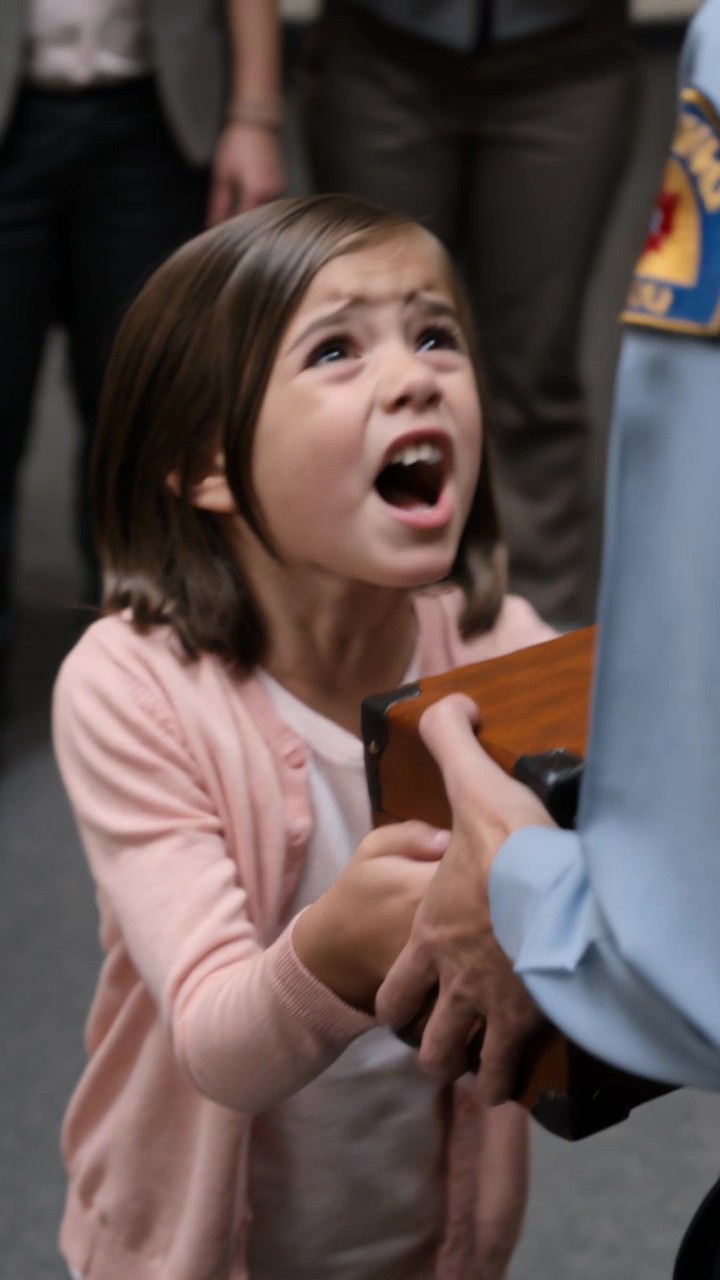
Denise Carter did not know exactly how dangerous the memory box was when she took it.
She knew enough to stop the opening.
That difference mattered.
The Westbridge Museum had organized a community history exhibit called Ordinary Hands. Families contributed small objects connected to local schools, diners, laundries, farms, churches, and factories. Mia’s grandmother had worked as a school cafeteria cook during the 1978 blizzard. Her cedar box contained a ribbon from the school, a few pins, photographs, and a folded apron she wore during that week.
For Mia, the box was not an artifact.
It was proof her grandmother had mattered.
The museum had scheduled a dedication moment where Mia would place it into a case while the curator told the blizzard story.
The problem was that the box had never completed intake review.
Mia’s father brought it directly to the event because the family missed the earlier drop-off appointment. The curator accepted the late arrival because the story was central to the program and because the donors were already seated.
The room was small and crowded. To protect fragile paper materials, the museum had adjusted airflow away from the display cases. That made the gallery feel still.
When Mia opened the lid slightly while waiting, Denise smelled the sharp chemical odor.
Old textiles are sometimes stored with mothballs or pest repellents. Naphthalene and similar chemicals can linger in fabric and boxes. Most casual exposures are not dramatic emergencies, but concentrated fumes in a closed space can irritate eyes and airways, especially for children, older adults, and people with breathing conditions.
Denise had learned this during six years in a textile-storage warehouse. She was not a conservator. She had handled donated uniforms, old curtains, quilts, and theater costumes. Her old supervisor taught staff never to shake out unknown stored fabric in a closed room.
At the museum, Denise’s title was guard.
Her radio calls were usually about crowd lines, closed doors, and lost bags.
When she took the box, people saw a uniformed adult snatching a child’s keepsake. The visible harm was immediate: Mia’s face crumpled, her father shouted, the curator saw the ceremony collapsing.
Denise tried to explain, but she used the words she knew:
“Open the doors.”
“Isolation.”
“Old mothballs.”
The curator heard overreaction from a guard outside the conservation chain.
The retired doctor recognized the smell and helped slow the room down.
The conservation specialist confirmed white crystalline residue in the apron folds and inside the cedar lining. The box required controlled airing, surface cleaning by trained staff, and revised display planning. The apron could be exhibited later only after treatment and with proper enclosure.
The museum did not cancel the dedication entirely. It changed it. Mia placed a photograph of her grandmother beside a temporary label:
Cafeteria apron under conservation review.
The curator apologized to Mia for the sudden change. At first, Mia refused to look at Denise.
That was understandable.
From Mia’s view, the guard had taken the most important object at the worst possible moment.
Later, the museum arranged a private conservation visit. Mia watched through glass while the specialist opened the box under ventilation. She saw the crystals fall.
The specialist explained:
“Your grandmother’s apron is important. Important things sometimes need care before display.”
Mia asked whether the box was ruined.
“No. But if we rushed, people could get sick and the fabric could be damaged.”
Denise attended only because Mia’s father invited her.
He apologized for grabbing her arm.
“I thought you were taking it because we were late and looked disorganized.”
Denise answered:
“You were late and the box was disorganized. That was not why I took it.”
The curator faced a harder review.
Museum policy required all incoming objects to be assessed before public handling. The curator bypassed that step because the event schedule and donor expectations felt urgent. She had also failed to brief security on what to do when late objects arrived.
The museum changed procedure.
No unreviewed object could enter a live display space.
Late family items were received in a side room, not onstage.
Security staff could call an object-safety pause using plain language without being accused of overstepping.
Conservation staff trained guards, volunteers, and front-desk workers to recognize basic warning signs: strong chemical odor, mold, pest debris, leaking batteries, powders, sharp metal, or unstable glass.
The goal was not to turn everyone into experts.
It was to let the first person who noticed a hazard stop the rush long enough for an expert to check.
Mia’s brother had mild asthma. He had planned to stand beside her during the dedication but became restless and stayed with their aunt in the hallway. Had he been closer, the fumes might have bothered him more. That possibility frightened Mia’s father after the fact.
Denise did not use it to claim she had saved a child from certain disaster.
She said:
“We stopped before finding out.”
That became the training phrase.
The apron eventually entered the exhibit three months later. It was displayed in a sealed case with a label telling both stories: the blizzard meal and the conservation pause.
Mia recorded an audio clip for the exhibit.
“My grandma kept this apron because she fed children during a storm. Ms. Carter took the box because old things can carry things we do not see. I was mad. I am still a little mad. But the apron is safe now, and so are the people who came to see it.”
The museum kept the line.
Visitors appreciated its honesty.
Denise remained a guard. She did not become curator or conservator. She did receive additional training and joined the museum’s emergency object-response team.
The memory box was returned to the family after the exhibit with safe-storage instructions. No mothballs. Acid-free tissue. Ventilated review before future display.
Mia placed a new note inside the lid:
DO NOT OPEN IN A CROWDED ROOM.
Under it, she added:
GRANDMA’S APRON STILL MATTERS.
That was the rescue.
Not dramatic destruction.
Not a perfect moment.
A painful interruption that protected the object, the child’s family story, and the room of people gathered to honor it.




Leave a Reply