
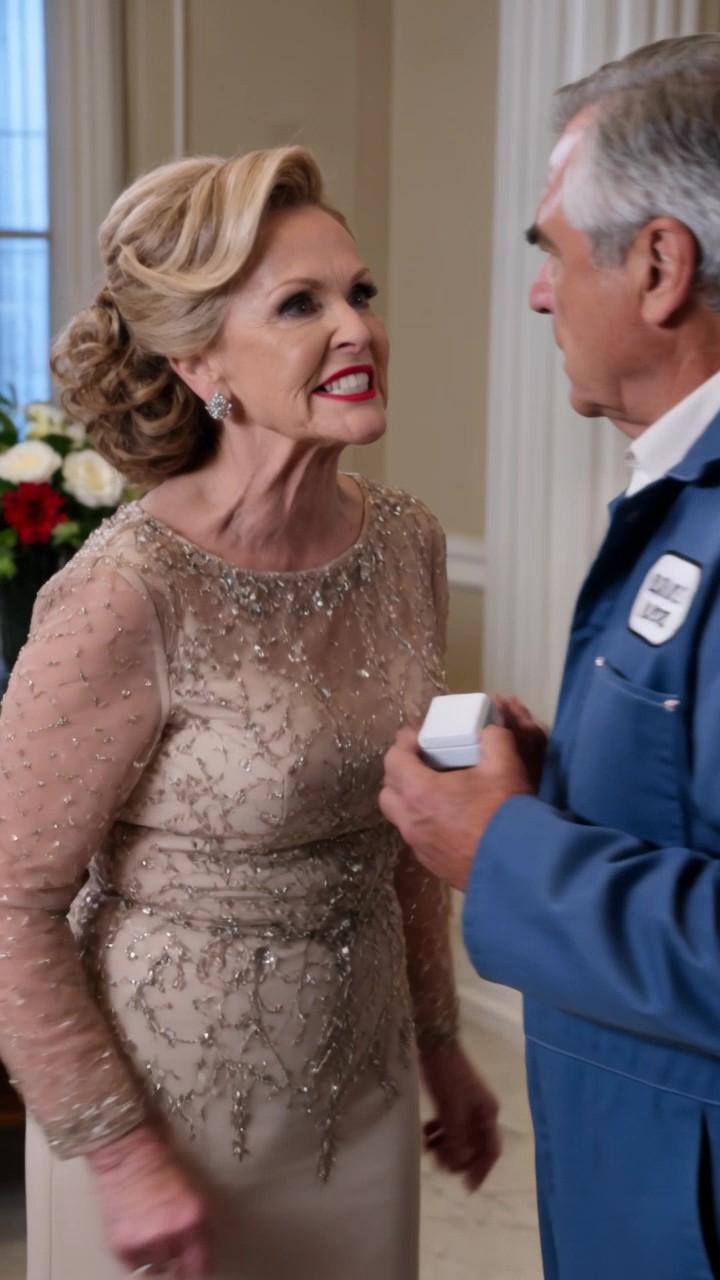
Thomas Bell did not come to the wedding to make a scene.
He came because Rose Whitmore had made him promise.
Rose spent her last months in hospice. Thomas cleaned the halls at night. He was quiet, kind, and often the only person still awake when Rose became restless. He brought her warm tea, adjusted the hallway light, and listened when she talked about Lily.
Rose knew Celeste, her daughter, wanted the family jewelry. Celeste called it “keeping things safe,” but Rose had already seen bracelets disappear and checks get cashed without being discussed.
One night, Rose gave Thomas a white ring box.
“If Lily marries one day, bring this,” she said. “If Celeste lets you in, hand it quietly. If she throws you out, open it where Lily can see.”
Thomas did not want the responsibility. Rose insisted and signed the card in front of the hospice social worker. The social worker later moved away, but Thomas kept the box wrapped in a sock inside his dresser.
At the wedding, Celeste saw only a cleaner in a gray shirt. She had spent years telling Lily that the ring was stolen by “someone from hospice.” That lie made the shove easier.
The card ended it.
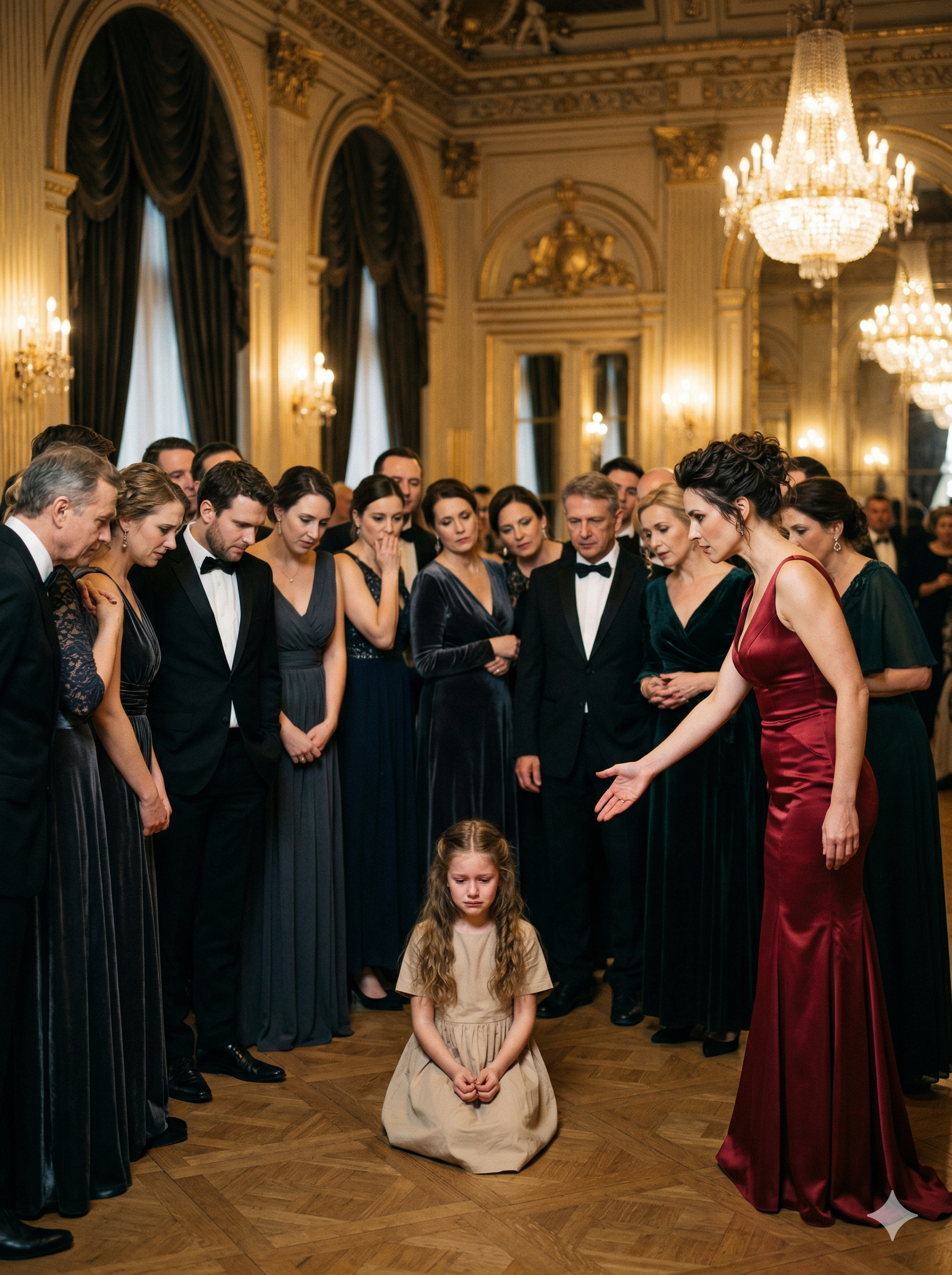
Lily did not cancel the wedding. She did pause it. She asked Thomas to walk her to the memory table and place the ring beside Rose’s photograph. Then she told her mother to sit in the back row or leave.
Celeste left.
After the wedding, Lily reported the missing hospice items. Not every piece was recovered, but Celeste’s control over Rose’s estate was reviewed by the family attorney.
Thomas returned to work the next week. Lily visited the hotel and brought him a framed wedding photo.
In it, the ring sat beside Rose’s picture.
On the back, Lily wrote:
Thank you for coming in through the door they tried to close.





Leave a Reply