
Maria Alvarez did not inherit Harold Whitmore’s fortune.
That would have been the story his sons expected to attack.
Instead, Harold used his will to expose what each person had valued.
Maria had worked for him as a housekeeper and cook. She was paid. She never pretended otherwise. But as Harold grew weaker, the job became more than cleaning. She noticed when he skipped meals, called the doctor when his cough worsened, and kept the kitchen light on when he feared sleeping alone.
His sons loved him in a distant way. They sent money for repairs and came on major holidays. But near the end, their calls became questions about accounts, property, and “planning ahead.”
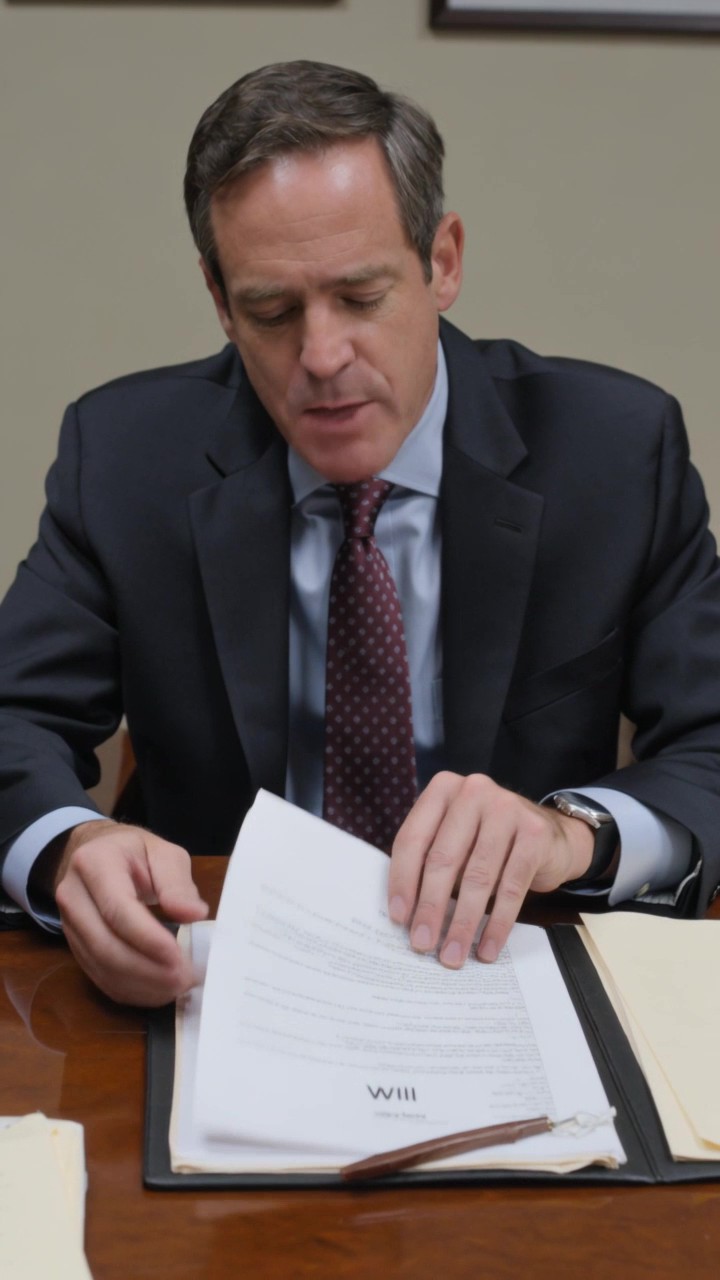
Harold recorded the clock message with his attorney present. It was not a legal will by itself; it was a personal instruction attached to the estate file. The actual will created a caregiver respite trust using the lake-house rental account. The sons still received money from other assets, but not the lake house they had already planned to sell.
Maria received small personal items: the garden she had planted, the blue chair where she read Harold mail, and permission to attend the memorial as family friend, not staff.
Charles challenged the trust and lost. The documents were clear. The recording mattered emotionally, not legally. It made the room hear Harold’s choice before anyone could twist it.
Maria later helped open the lake house for its first caregiver weekend. She did not move in. She brought tomato seedlings for the porch.
The plaque near the kitchen clock read:
For those who remembered to ask, “Have you eaten?”
That was Harold’s real inheritance.





Leave a Reply