
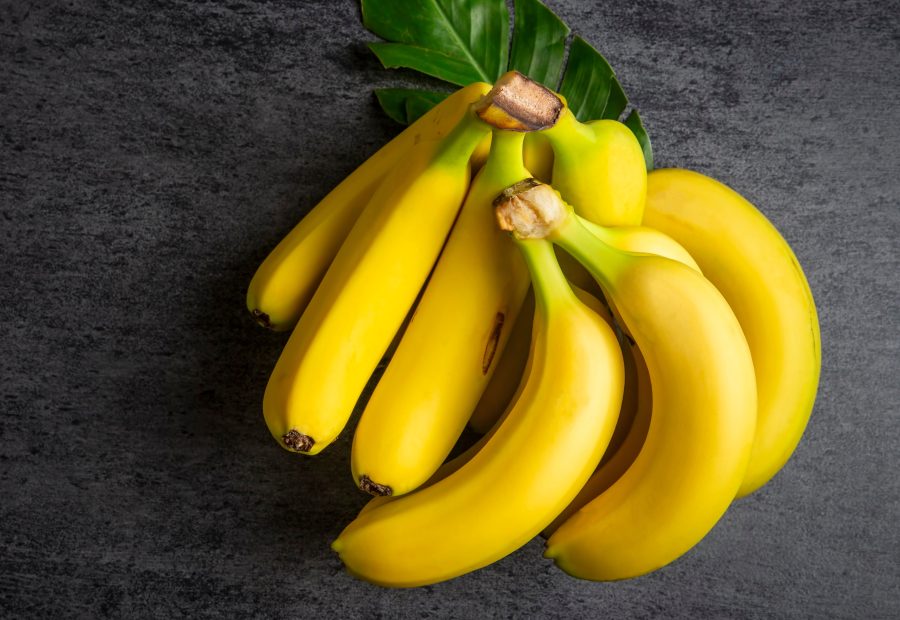
Eating Bananas: The Myths You Should Stop Believing
There’s no doubt bananas are among the most popular fruits worldwide. They’re cheap, easy to carry, and simple to eat, all while offering a strong mix of nutrients that benefit the body in numerous ways.
Despite their popularity, bananas often stir up debate among nutrition experts. Some view them as ideal fuel for athletes, while others question whether they’re truly as nutritious as claimed. So what does the evidence actually show? Let’s examine the genuine benefits of bananas and clear up some widespread misconceptions.
Under that yellow skin lies far more than just natural sweetness. A medium-sized banana delivers a balanced blend of important vitamins and minerals.
It supplies potassium, a vital electrolyte, plus vitamin B6, which aids brain development and supports proper nervous and immune system function. It also offers vitamin C for immune defense and skin wellness, magnesium for essential biochemical processes, and fiber that supports digestion and promotes lasting fullness.
According to Healthline, a single banana holds roughly 100 to 110 calories, along with solid fiber content, minimal fat, and low protein. Its natural carbs make it a dependable, steady energy source.
Among the most recognized benefits of bananas is their contribution to cardiovascular health, largely thanks to potassium. This mineral helps keep heartbeat regular and maintains fluid balance in the body.
It also helps the body flush out extra sodium and eases tension in blood vessel walls, supporting healthy blood pressure levels. Findings from the Cleveland Clinic connect potassium-heavy diets to lower blood pressure and a reduced chance of stroke. Given that many people take in too much sodium and too little potassium, adding a daily banana can be an easy fix.
Bananas are commonly suggested for gut health, particularly for easing minor stomach issues, though their advantages extend further than that.
Their fiber exists in two types. Soluble fiber forms a gel-like texture in the digestive system, which slows digestion and boosts nutrient absorption. Resistant starch—more abundant in less-ripe bananas—functions as a prebiotic, nourishing helpful gut bacteria.
This process generates short-chain fatty acids such as butyrate, which can lower inflammation, reinforce the gut lining, and enhance nutrient uptake. The outcome is typically reduced bloating and more regular digestion.
Athletes commonly turn to bananas during exercise or competition, and for good reason. They contain natural sugars—glucose, fructose, and sucrose—combined with fiber, offering a gradual, sustained energy release.
Unlike processed snacks that trigger sudden spikes and crashes in blood sugar, bananas release energy at a more even pace.
Some people are cautious about bananas due to their sugar content, particularly when watching their weight or blood sugar levels. Still, bananas carry a low-to-moderate glycemic index depending on how ripe they are, generally falling between 42 and 62.
Their fiber and resistant starch work to slow down glucose absorption. Bananas that are less ripe tend to have a smaller effect on blood sugar. For most healthy people, moderate banana consumption is fine, and even those managing diabetes can enjoy them alongside protein or healthy fats.
Despite common belief, bananas aren’t likely to lead to weight gain. Their fiber content boosts feelings of fullness, which can help curb overeating.
This feeling of satisfaction results from fiber slowing digestion and adding bulk in the stomach. Swapping high-calorie snacks for a banana can cut overall calorie consumption while boosting nutritional value.
Bananas also contain antioxidants like flavonoids, dopamine, and catechins, which combat oxidative stress. Their vitamin C also strengthens immune function.
They might also support kidney health. Some research indicates that moderate banana intake correlates with lower kidney disease risk in certain groups, partly because of their effect on blood pressure regulation.
That said, people with kidney conditions requiring potassium limits should check with a doctor before eating more.
Debunking Common Banana Myths
False information spreads fast, so it’s worth addressing a few common misconceptions.
First, the notion that bananas have “too much sugar” is misleading. Their natural sugars are paired with fiber and nutrients, which alters how the body processes them compared to the added sugars in processed foods.
Second, although bananas provide a good amount of potassium, they’re not actually the richest source. Foods such as spinach, sweet potatoes, and avocados contain even more. Bananas are notable simply because they’re convenient and easy to find.
Third, the notion that bananas are “dangerously radioactive” is overblown. They do contain a small amount of naturally occurring potassium-40, but the amount poses no real danger. You’d have to eat an unreasonable quantity to face any risk.
Lastly, blending bananas into smoothies doesn’t meaningfully strip away their nutrients. Though slight changes might happen, smoothies still hold onto fiber and most of the beneficial compounds.
Are There Any Downsides?
Bananas are beneficial for most people, but overdoing it can create problems. Eating several in one day might cause bloating from the fiber or, occasionally, too much potassium intake. Eating a lot may also raise dental concerns due to natural sugar content.
For most people, one to two bananas daily is a healthy, well-balanced amount.
Ultimately, bananas remain one of the easiest, most accessible, and nutrient-packed fruits around. They support energy levels, heart health, digestion, and overall well-being.
They can be enjoyed as a fast snack, mixed into meals, or used as natural fuel before physical activity. Healthy eating doesn’t need to be complex—often, the easiest choices work best.
Disclaimer: This content is for informational purposes only and is not a substitute for professional medical advice, diagnosis, or treatment.







Leave a Reply