
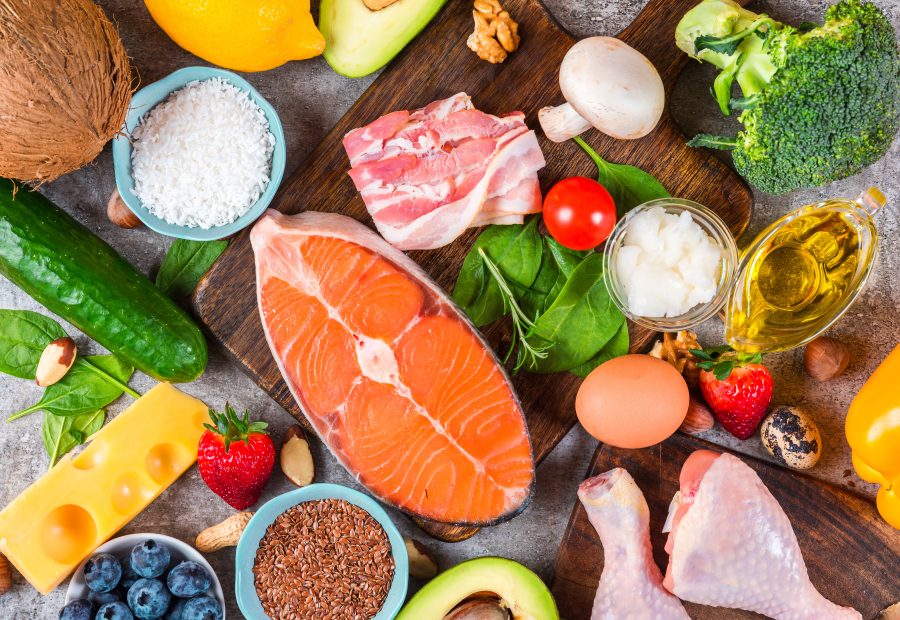
“Eat Clean” for Busy People: 5 Golden Food Groups That Make You Healthy and Glowing from Within
Introduction
There was a time when my dinner plan depended entirely on how bad the deadline was. The tighter the schedule, the more likely I was to open a delivery app, order fried chicken, and wash it down with a large milk tea. It felt efficient. It felt like I was saving time for the work that mattered.
What I didn’t notice at first was the cost. The 3 p.m. crash became a daily event. My skin looked dull no matter how much I spent on skincare. The number on the scale crept up quietly, and my body felt heavy in a way that sleep didn’t fix.
That’s when I started looking into “Eat Clean” — and discovered it isn’t the punishing diet I’d imagined. Eating clean simply means choosing food in its most natural, least processed form. No starvation, no banned-food list, no weighing every gram. Just real food, prepared simply.
After a few months of small changes, the difference was obvious: my body felt lighter, and my focus during long work sessions improved noticeably. Below are the five food groups that did most of the heavy lifting.
1. Slow Carbs (Complex Carbohydrates): The Key to Staying Full
The most common mistake busy people make is cutting carbohydrates entirely. You lose weight fast, then you’re exhausted, irritable, and back to snacking by mid-afternoon.
The smarter move is a swap, not a ban. Replace white rice, white bread, and instant noodles with brown rice, oats, sweet potatoes, or dark rye bread. These release glucose into the bloodstream slowly, so your blood sugar stays stable instead of spiking and crashing. Your brain — which runs almost entirely on glucose — gets a steady supply all day, and because the energy is used rather than stored, it’s far less likely to end up as excess fat.
Try this: Overnight oats with banana and chia seeds for breakfast, or a baked sweet potato prepped on Sunday and reheated during the week. Both take under five minutes of active effort.
2. Lean Protein: The Body’s Repair Crew
Protein is what rebuilds muscle, supports your immune system, and — importantly for anyone trying to stop snacking — keeps you genuinely full for hours.
Prioritize chicken breast, salmon, eggs, and plant-based options like tofu, chickpeas, and lentils. Variety matters here: fatty fish brings omega-3s, eggs bring choline, and legumes bring fiber alongside their protein.
How you cook it matters as much as what you choose. Pan-searing with a small amount of olive oil, steaming, boiling, or air-frying all preserve the nutrients without adding the excess oil that deep-frying does. A piece of salmon seasoned with salt, pepper, and lemon, pan-seared for four minutes a side, is faster than waiting for delivery.
3. Healthy Fats: The “Miracle Cure” for Skin and Brain
Let’s kill the myth first: eating fat does not automatically make you fat. What makes you gain weight is consuming more energy than you burn — and the type of fat you eat matters enormously.
Unsaturated fats from olive oil, avocado, and nuts such as almonds, walnuts, and cashews are essential. Your body cannot absorb vitamins A, D, E, and K without fat present. Omega-3s support memory and cognitive function, which is exactly what you need during a demanding work week. And these fats help maintain the skin’s lipid barrier — the reason people who eat enough healthy fat often have plumper, more resilient-looking skin.
Portion note: Nuts are calorie-dense. A small handful a day is the sweet spot, not an open bag on your desk while you work.
4. Fiber and Vitamins: Build a Rainbow on Your Plate
Here’s the simplest rule in nutrition: the more colors on your plate, the broader the range of nutrients you’re getting. Different pigments signal different antioxidants — deep green cruciferous vegetables like broccoli and kale, red tomatoes, orange and yellow bell peppers, purple berries like strawberries and blueberries.
Fiber does quiet but critical work: it feeds your gut bacteria, slows sugar absorption, and keeps digestion regular. Most of us fall well short of the daily recommendation.
One tip worth applying immediately: eat fruit whole rather than juicing it. When you press an orange into juice, you discard most of the fiber and keep all the sugar — which means a faster blood sugar spike from the exact same fruit. Three whole oranges is a satisfying snack; the juice of three oranges is a sugar hit you’ll feel an hour later.
5. Cleansing Drinks: Don’t Forget Water
This is the easiest group to fix and the one most people ignore. Plain water, green tea, or infused water with lemon, lemongrass, and cucumber all support kidney function, aid metabolism, and help your body flush waste efficiently. Green tea adds catechins, antioxidants linked to cardiovascular health.
Compare that to the default: a single large milk tea can contain the equivalent of more than ten teaspoons of sugar, and soft drinks are no better. These deliver a short spike of energy followed by a crash — and contribute nothing nutritionally.
You don’t have to quit cold turkey. I started by replacing one milk tea a week with green tea, then two. Mild dehydration also masquerades as fatigue and hunger, so keeping a bottle within arm’s reach of your keyboard genuinely helps.
Conclusion
Eating clean isn’t a two-week challenge with a finish line. It’s a long-term shift, and it will feel awkward at first — grocery shopping takes longer, and you’ll miss the convenience of ordering in. But the changes compound. Steadier energy, clearer skin, better focus, a body that recovers faster. Your future self will thank you for starting now rather than “next Monday.”
You don’t need to overhaul everything at once. Pick one group from this list and change one meal this week.
So — are you ready to put down the fast food and start preparing simple “Eat Clean” meals for yourself? What’s your favorite healthy dish? Share your recipe with Blog Daily Life in the comments!
Disclaimer: This content is for informational purposes only and is not a substitute for professional medical advice, diagnosis, or treatment.







Leave a Reply