
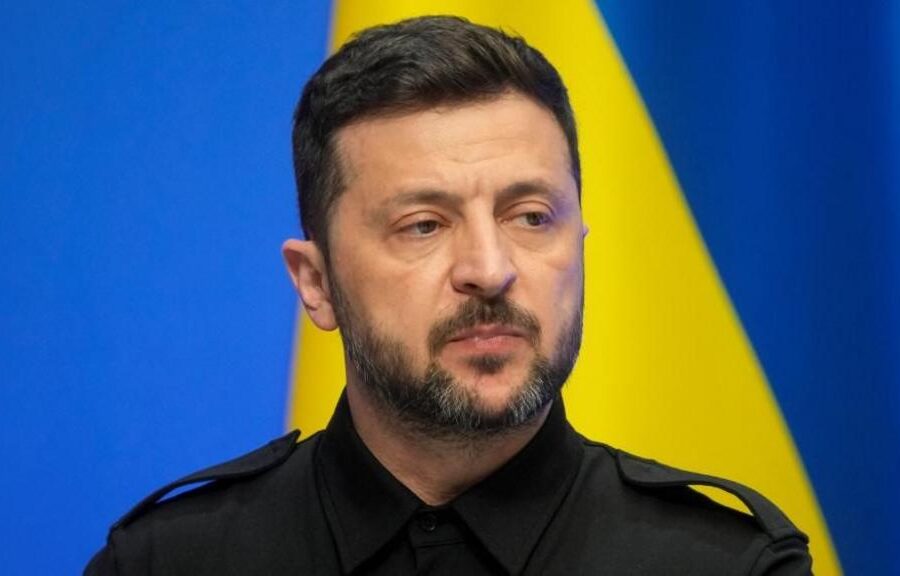
How Kyiv’s UN Disclosure Sparked a Diplomatic Row with Seoul
Some of the most damaging moments in this war have nothing to do with the battlefield. They happen at a podium, in front of cameras. This week, a single sentence in a United Nations speech has opened a rift between Ukraine and South Korea, two governments that had every reason to cooperate quietly.
South Korea has called for an official apology from Ukraine after Volodymyr Zelensky revealed what Seoul says was meant to be a secret transfer of two North Korean prisoners of war. The demand came in a statement from the presidential office over the weekend. It is a reminder that in modern diplomacy, a single disclosure can do more harm than a military setback. Yahoo!
The Disclosure on the World Stage
The facts are simple. Ukraine captured the two North Korean soldiers in Russia’s Kursk region in January 2025, and they were the first North Korean troops taken alive since Pyongyang joined the war. Later, the two men reportedly expressed a wish to go to South Korea, and Seoul and Kyiv quietly discussed a transfer. U.S. News & World Report
Then came the UN General Assembly. Speaking at the General Debate on September 23, Zelensky told the delegates that Ukraine had sent the two captured soldiers to South Korea. Seoul says the arrangement was supposed to stay confidential. Its presidential office accuses Kyiv of disclosing the transfer and then falsely denying that the two sides had agreed to secrecy. Kyiv’s position is that it only stated the fact of the transfer. South Korea demands apology from Ukraine over disclosure of North Korean POW transfer | CNN +2
For Seoul, the denial may sting more than the disclosure. The presidential office says Ukraine itself requested secrecy, fearing domestic criticism that it had given up a chance to trade the soldiers for Ukrainian prisoners. If that account is accurate, Kyiv asked for discretion and then broke it. Then it disputed that any promise had been made. CNN
Looking at this as a communications problem, the logic is easy to guess. Prisoners are powerful narrative material, and a UN speech is the ideal place to show the world that Ukraine’s fight has drawn in Pyongyang. But a story is only useful if the audience does not feel used. Kyiv chose a partner that had helped keep the story quiet and turned it into a talking point without warning them.
Why the Transfer Was So Sensitive for Seoul
The secrecy was not a matter of etiquette. South Korea’s position on North Koreans is unusual, and it explains the sensitivity. Seoul legally regards the North as part of its own territory and has a policy of accepting and supporting North Korean defectors. Under that constitutional logic, North Koreans are treated as people South Korea has a duty to protect, not as foreigners. Yahoo!
The risks are also practical. Seoul had earlier declined to confirm the soldiers’ arrival, citing concern for their safety and for family members still in North Korea. Publicity can endanger relatives at home. It can also give Pyongyang a propaganda opening, or leave it feeling provoked. Seoul says it agreed to confidentiality because of security, diplomatic and humanitarian concerns. U.S. News & World ReportCNN
President Lee Jae Myung’s government has to manage a tense relationship with the North while keeping its own citizens safe. A public announcement at the UN, made without full consultation, undercuts that careful work. In effect, Kyiv cost Seoul its control over the timing and framing of a delicate humanitarian case. Lee himself said on X that it had been appropriate not to disclose the transfer. Al Jazeera
Asia Is Being Pulled In
The episode also says something bigger about the war. Once a European conflict, it now involves troops and diplomats from across the world. The two prisoners are among thousands of North Korean soldiers sent to support Russia. Their capture, and now their fate, ties Ukraine to a divided peninsula thousands of kilometres away. Yahoo!
That link brings both opportunity and risk for Kyiv. South Korea is an important potential source of support, and the row comes as Ukraine looks for more help from partners. Analysts warn the dispute could complicate Kyiv’s efforts to obtain weapons from allies, including South Korea. Seoul has so far kept its public position on arms measured, and a breach of trust will not make it more willing to expand support. The government says it is reviewing additional measures if necessary. Officials have not said what those measures are, and it would be premature to assume the worst. But the damage to goodwill is real. The Japan TimesCNN
There is a lesson for other governments too. In wars that involve many countries, every disclosure has consequences beyond the immediate audience. A statement aimed at one capital can land badly in another.
Conclusion: The Cost of Careless Openness
Transparency is a virtue, and Ukraine has good reasons to want the world to see how the war is being fought. But diplomacy also depends on discretion. Some arrangements only work because they stay private, especially when people’s safety is at stake. Whatever Kyiv intended, it has spent some of the trust it needs, and the two prisoners are at the center of the dispute.
It remains to be seen whether Ukraine will offer the explanation and apology Seoul wants, or whether both sides will find a way to lower the temperature. Either way, the episode is a costly reminder that in foreign policy, how and when you say something can matter as much as what you say.
What do you think? Was Ukraine’s disclosure a deliberate communications move, or an unintended slip? Share your view in the comments.
Sources
- Office of the President of Ukraine: Putin Is “Patient Zero”, the One from Whom the Idea of War Keeps Spreading Further: President at the UN General Debate
- Korea JoongAng Daily: South Korea demands apology from Ukraine over disclosure of North Korean POW transfer despite confidentiality agreement
- Al Jazeera: Why South Korea is demanding an apology from Ukraine over North Korean PoWs
Disclaimer: This article is for informational purposes and is based on publicly available information as of September 28, 2026. Details may change as new information becomes available.







Leave a Reply