

Maya did not want to ruin Lily’s wedding. She wanted Lily to have one day without looking over her shoulder.
Lily’s former boyfriend had not hurt her physically in the shop or at the wedding. But he had ignored clear boundaries for months: waiting outside work, sending messages through friends, asking relatives about her plans. Lily changed her number and moved in with Maya while planning the wedding.
The family wanted the wedding to feel normal. They printed invitations with a map, exact garden address, parking note, and rehearsal time. Maya said it was too much information. Relatives called her controlling.
Then Charles’s cousin, eager to look helpful, sent a photo of the invitation to a group chat that included an old acquaintance. That photo reached the man outside the bridal shop.
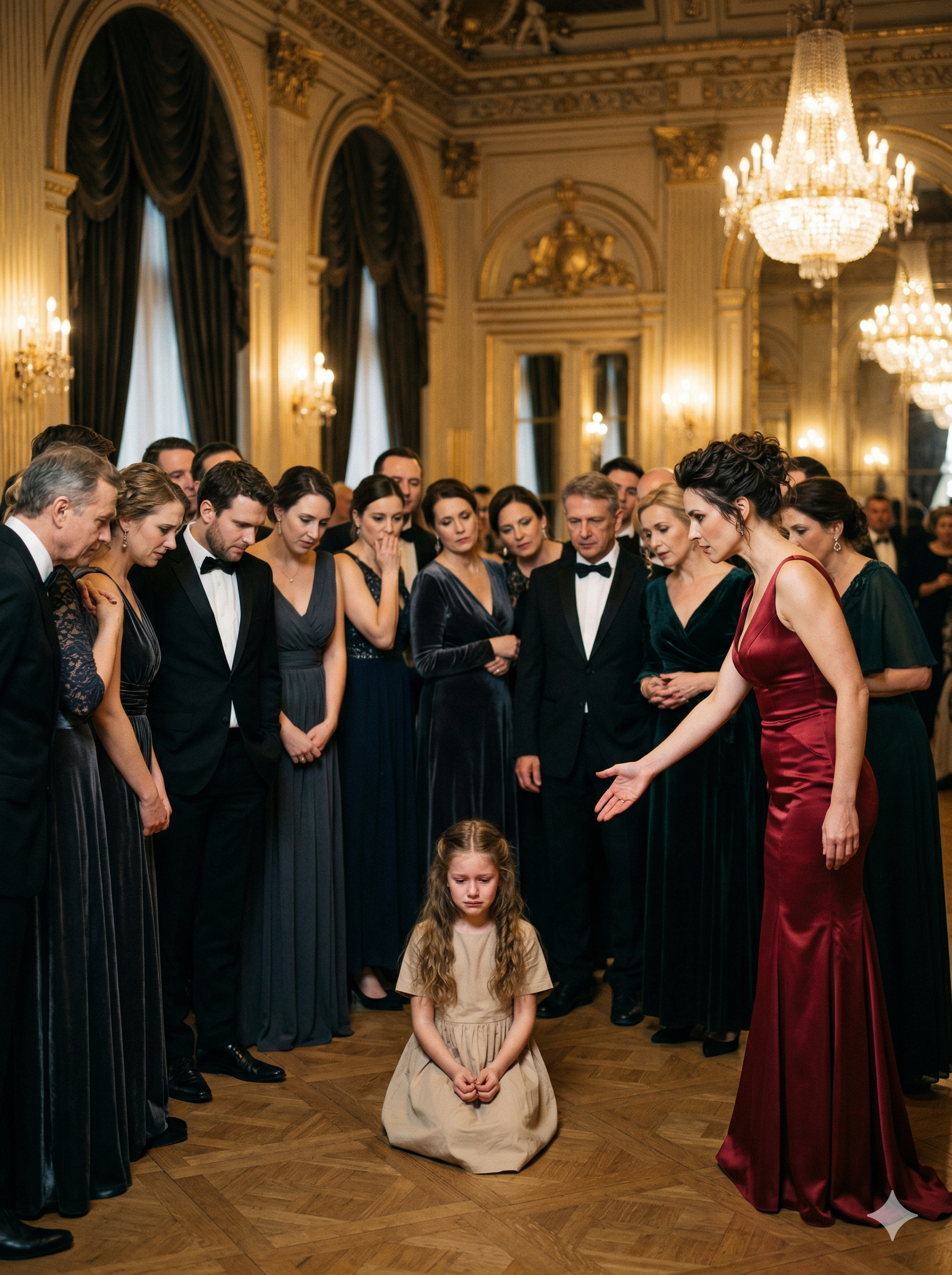
Maya tore the invitation because she saw a stranger across the street holding his phone up to compare the map. It looked cruel because she could not explain fast enough.
Once Lily saw the circled address, everything changed.
The venue was moved to a church hall with private security and no public map. Guests received the new location by phone from two trusted relatives. The cousin who shared the photo was removed from the wedding party.
Lily was angry at Maya for a day, then cried in her car because fear had almost entered the wedding through a pretty envelope.
Maya apologized for tearing it in front of everyone.
“I should have pulled you aside,” she said.
Lily answered, “I should have listened when you said safety is not drama.”
The wedding happened two weeks later. It was smaller, simpler, and safe.
Maya sat in the front row, still the sister who looked harsh to outsiders.
But Lily knew the torn invitation was the reason the wrong guest never found the door.





Leave a Reply