
Why Fans Worldwide Are Emptying Their Wallets for a Single Concert Ticket
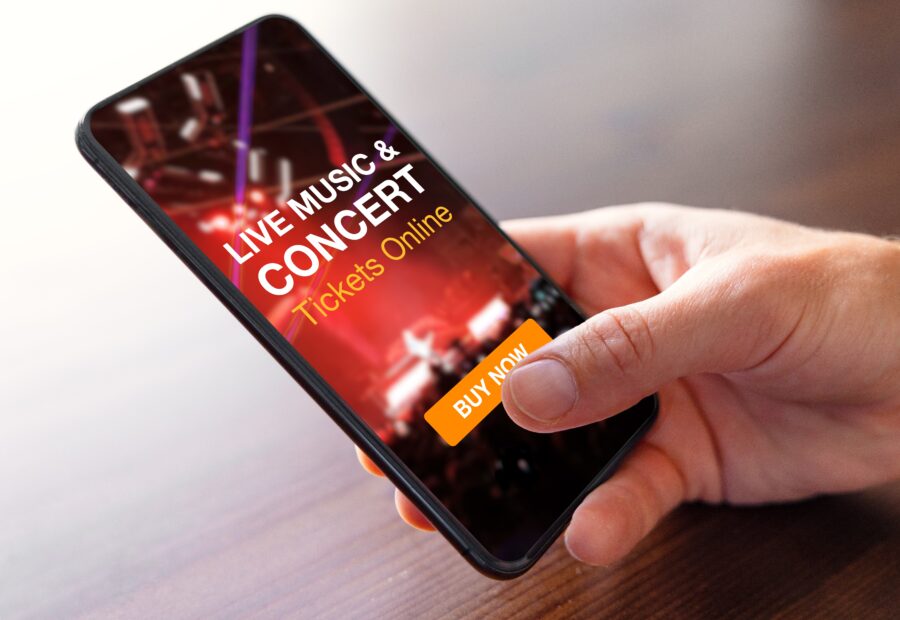
Global live music has never been this fierce a battleground. Getting a ticket to a major world tour today feels less like online shopping and more like fighting for survival — millions of fans refreshing the same page at the exact second sales open, only to watch every seat vanish within minutes. In Pollstar’s mid-year 2026 tally alone, the world’s top 100 touring artists grossed $3.16 billion, up over 12% from the previous year, with global ticket sales hitting a record 26.3 million.
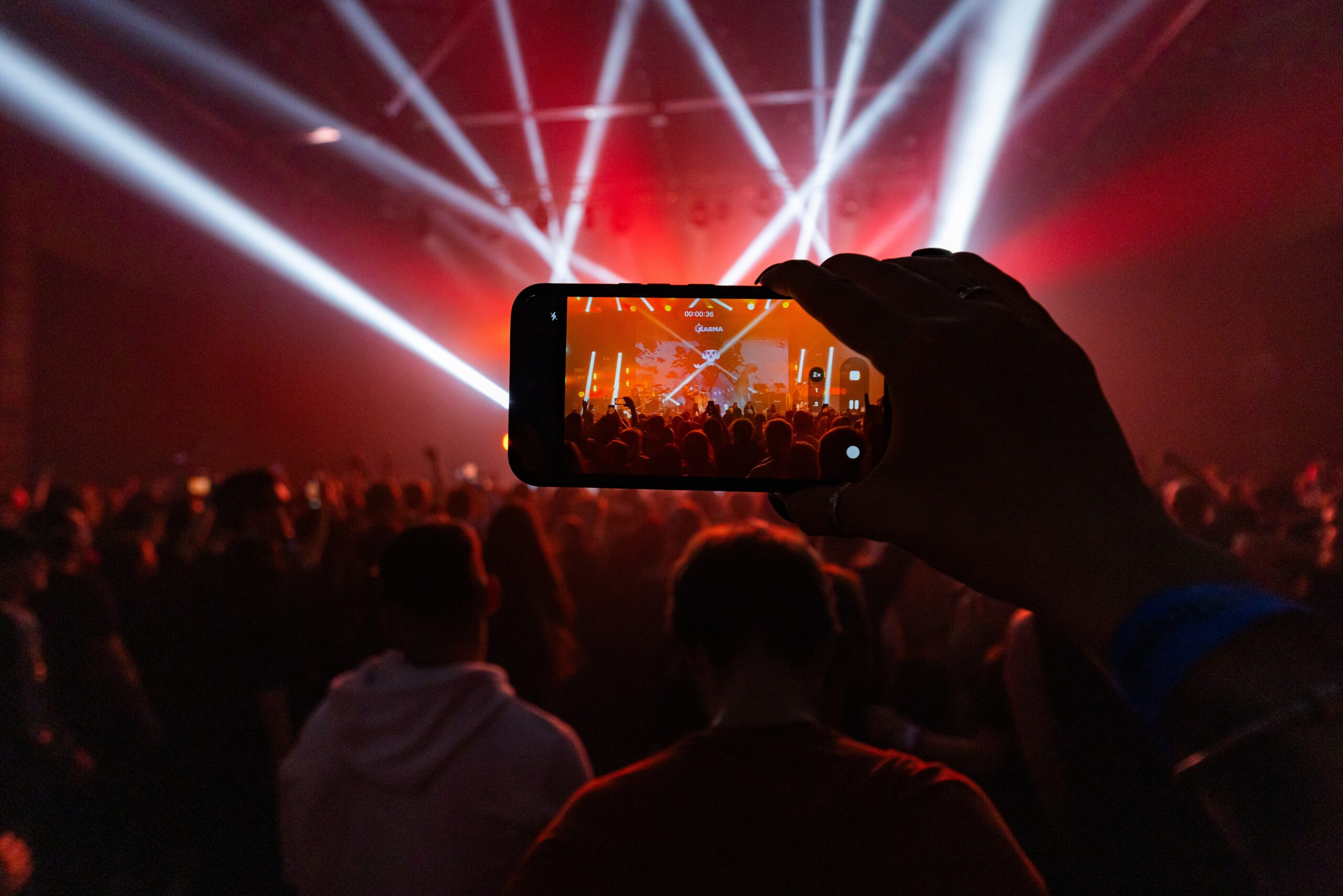
Fans today are no longer satisfied streaming a song on their phone or watching a blurry fancam online. They crave the real thing — the deafening scream of thousands of strangers who suddenly feel like family, the shared breath before the lights go up. I feel it too: I spend hours scrolling short-form clips and livestreams every single day, yet nothing replicates the dopamine hit of standing inside a sea of glowing lightsticks, singing along with a stadium full of people who traveled from all over the world just to be there.
The Media Machine Engineering FOMO
Behind every sold-out stadium tour today sits an incredibly deliberate media strategy. Take BTS’s newly launched Arirang World Tour as an example: since it was announced, the group has already sold nearly 2.4 million tickets, with additional shows added — and immediately sold out — in multiple cities, as demand from presales alone forced organizers to scramble for more dates. The tour spans 34 regions and more than 80 shows worldwide, including cities the group has never performed in before, turning nearly every stop into a “once-in-a-lifetime” cultural event rather than just another concert date.
This kind of demand doesn’t happen by accident. Constant teaser drops, viral rehearsal clips, and behind-the-scenes content flood social media in the weeks leading up to a tour announcement, keeping fans emotionally primed and anxious. The result is a textbook case of FOMO (Fear of Missing Out): when your entire timeline is filled with people counting down the days, buying flights, and booking hotels, simply watching from home starts to feel unbearable. In fact, ticket demand has become so intense in some markets that it has escalated into diplomatic territory — Mexico’s president publicly asked the South Korean government for help facilitating additional tour dates after ticket demand overwhelmed the market.
The Maturing Economics of Global Fandom
Being a devoted fan used to carry a slightly embarrassing stigma — the “obsessive teenager” stereotype. That image has completely flipped. Fandoms today are highly organized, economically powerful communities that operate almost like small businesses, coordinating group ticket purchases, translating content in real time, and running crowdfunded ad campaigns to support their favorite artists.
The numbers back this up. BTS itself posted what Billboard ranked as the second-biggest single-venue Boxscore in North America at the time, pulling in $33.3 million from 214,000 tickets sold across just four nights at SoFi Stadium. This isn’t casual spending — it’s fans making a deliberate, months-long financial commitment, because for many of them, showing up isn’t just entertainment. It’s a way of declaring who they are and finding a community that shares the exact same obsession.
When Production Value Becomes Part of the Ticket Price
To justify ticket prices that averaged about $120 across the top 100 tours, according to Pollstar, artists and tour producers have had to raise their own game dramatically. Stadium shows today come with cinema-grade LED walls, drone light shows, pyrotechnics synced to the millisecond, and stage designs that rival full theatrical productions. None of this is incidental — it’s a direct response to a market where, as touring industry data shows, growth is increasingly coming from adding more show dates and reaching new cities rather than simply raising prices on existing ones.
The core truth here is that fans aren’t paying just to hear the music — a studio recording or a lossless stream is arguably technically “cleaner.” What they’re actually buying is the atmosphere: the physical presence of tens of thousands of people breathing, singing, and reacting in the exact same moment, an experience that, by definition, can never be repeated in quite the same way twice.
Final Thoughts
Concerts and world tours are no longer a passing trend — they are quietly reshaping the entire live entertainment industry, proving that when the production, the artist, and the emotional payoff are strong enough, audiences will always find a way to pay for it, even during an era of streaming abundance and short-form content overload.
Have you caught a major concert or world tour recently? What’s the most unforgettable moment you’ve experienced chasing your favorite artist live? Share your story with Blog Daily Life in the comments below!
Sources
- Pollstar: Mid-Year Business Analysis: What Blue Dot Fever? Record-Setting Grosses & Tix, Bad Bunny Has Top Tour
- IQ Magazine: BTS shift 2.4 million tickets, add extra dates to world tour
- Associated Press via Pollstar: Mexico’s President Joins ARMY Fan Base In BTS Concert Push
- Billboard: BTS Scores the Biggest Boxscore in Almost a Decade, Thanks to Four Nights at SoFi Stadium
Disclaimer: This article is for informational purposes only and is based on publicly available sources at the time of publication. Details may change as new information becomes available.







Leave a Reply