
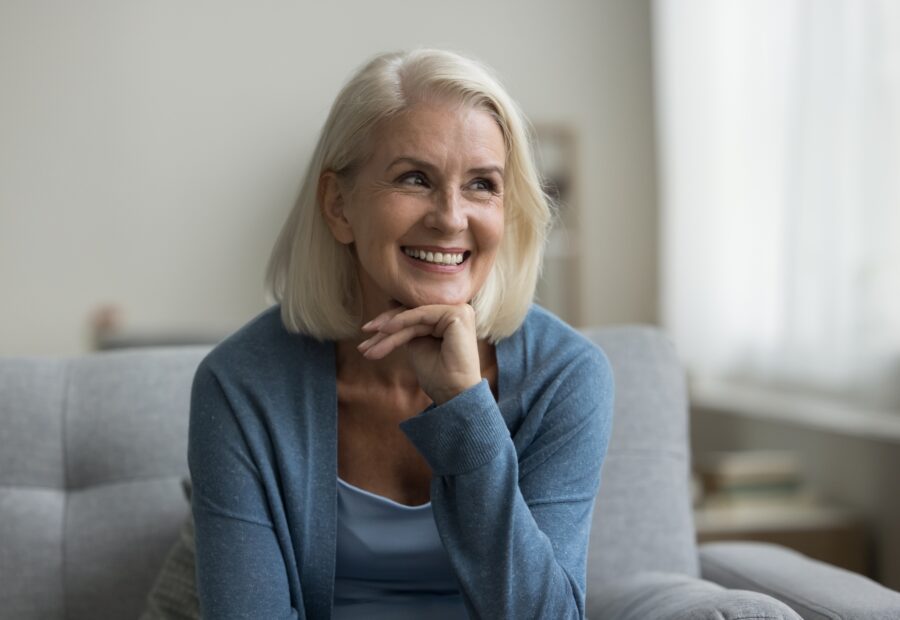
Beauty doesn’t fade with age—it transforms into something deeper. Rather than depending on flawless skin or a perfect figure, many older women carry an elegance, confidence, and quiet charm that no product, procedure, or price tag can replicate. So what’s actually behind it? It isn’t costly treatments or dramatic interventions. It’s a handful of everyday habits, practiced consistently over years, that quietly make all the difference in how a woman looks and feels.
Here are six core habits that help women look more beautiful, self-assured, and radiant at any age—habits available to anyone, regardless of budget or background.
1. Stand tall and move with purpose
A woman who walks with her head up, her shoulders relaxed, and her spine straight communicates confidence before she ever says a word. Posture shapes not just how others perceive you, but how you feel about yourself from the inside out.
It’s natural for posture to droop a little with time—years of desk work, phone-scrolling, and simple habit all take their toll. But consciously correcting it, even in small ways throughout the day, can visibly shave years off how a person looks. Steady, unhurried steps and a calm, deliberate way of moving through a room also lend a natural grace that no amount of styling can fake. Elegance, in many ways, starts with the body’s own carriage.
2. Keep skincare simple and steady
The goal isn’t a bathroom shelf crowded with a dozen serums and treatments—it’s consistency with the essentials. Clean, well-moisturized, sun-protected skin goes a remarkably long way, often further than more elaborate routines.
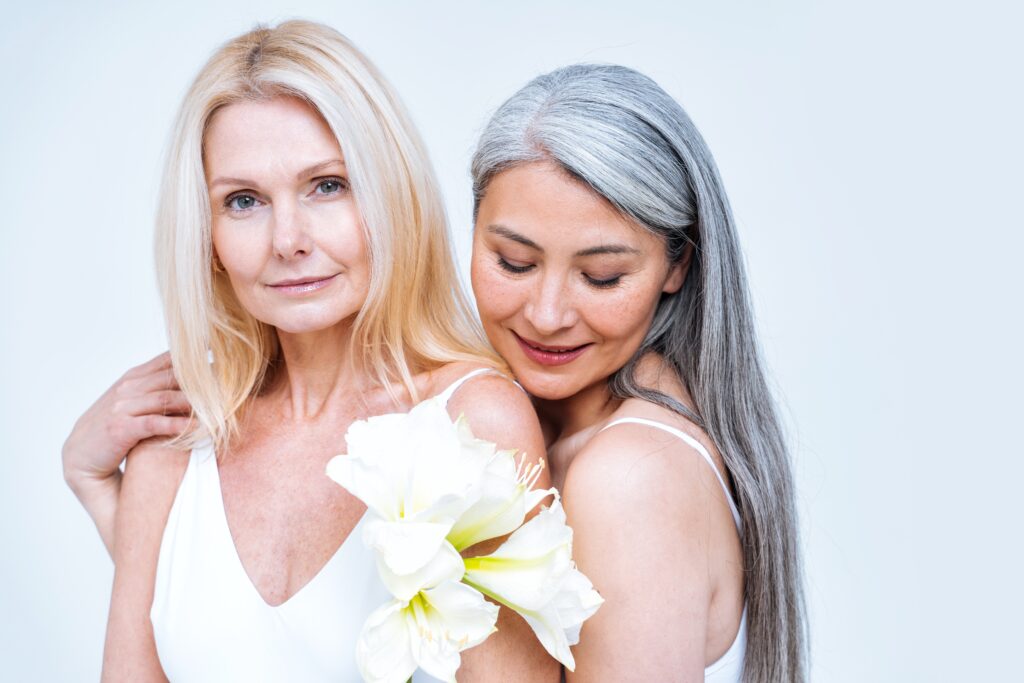
Women who age gracefully tend to rely on simple, repeatable habits: washing the face daily, applying moisturizer without fail, and never skipping sunscreen, rain or shine. These basics keep the skin’s barrier healthy over decades and give it a natural, lasting glow that expensive one-off treatments simply can’t replicate. Simplicity, practiced daily, tends to outperform complexity practiced occasionally.
3. Dress for comfort and personal taste
One of the most common missteps is dressing to chase a younger look—or, at the other extreme, giving up on personal style altogether and settling for whatever’s convenient. The sweet spot lies somewhere in between: a personal look that blends comfort with genuine, considered taste.
Women who carry themselves well don’t chase every passing trend. Instead, they choose pieces that genuinely suit them—colors that brighten the complexion, cuts that flatter their particular shape, fabrics that feel good against the skin. The right outfit doesn’t just improve how someone looks in the mirror; it visibly lifts confidence, posture, and mood the moment it’s put on. Dressing well, at its core, is a form of self-respect.
4. Smile often and soften your expression
A genuine smile is one of the most attractive things a person can wear, at any age, and it costs nothing. It signals warmth, approachability, and quiet self-assurance in a way that no cosmetic can imitate.
Paying attention to overall expression—consciously letting go of habitual tension, a furrowed brow, or a clenched jaw—also softens the face gradually over time. Something as simple as relaxing the facial muscles between conversations, or holding a warm and open gaze rather than a guarded one, can noticeably shift how a person comes across to others. Expression, much like posture, becomes a lasting habit of the face.
5. Stay mentally engaged and upbeat
Beauty isn’t only skin-deep—it comes from the mind as well. A curious, engaged, and fundamentally optimistic outlook tends to show up visibly in a person’s face, eyes, and overall demeanor.
Reading regularly, picking up new interests or skills, having real and meaningful conversations, or simply choosing to maintain a hopeful outlook on life all contribute a distinct energy that’s hard to manufacture artificially. Women who actively nurture their minds often appear younger than their years—not primarily because of their skin or their haircut, but because of the spirit and vitality behind their eyes. An active mind, it turns out, is one of the most underrated beauty tools there is.
6. Move your body, without obsessing over it
This isn’t about chasing a perfect physique or punishing workout regimens—it’s simply about staying in motion, consistently and sustainably. Walking regularly, light exercise, or gentler practices like yoga and stretching all support circulation, posture, and mood in ways that compound over time.
Regular movement brings genuine vitality, sustains energy levels throughout the day, and contributes meaningfully to a healthier, more vibrant appearance overall. It also eases stress, which otherwise tends to show up on the face just as visibly as anywhere else in the body. The goal isn’t intensity—it’s regularity.
A few extra tips
Stay well hydrated every single day, and keep using a moisturizer, which dermatologists recommend for dry skin. Go easy on makeup, because less genuinely tends to work better with age, allowing natural features to shine through rather than being masked. Make rest a real priority, since good sleep supports how you look and feel. Keep good company, since the people surrounding you directly shape your energy and outlook. Maintain your hair with a flattering, well-kept cut, which can be remarkably rejuvenating on its own. And don’t neglect your hands, since they’re often among the very first places that visible age tends to show.
Looking beautiful at any age was never really about achieving perfection. It’s about attitude, sustainable habits, and genuine self-acceptance. When a woman takes care of herself, embraces who she has become, and feels at peace with that person in the mirror, it shows unmistakably—and it shines brighter than anything money could ever buy.
Sources
- American Academy of Dermatology: Sunscreen FAQs
- American Academy of Dermatology: How to care for your skin in your 60s and 70s
- National Institute on Aging (NIH): Health Benefits of Exercise and Physical Activity
Disclaimer: This content is for informational purposes only and is not a substitute for professional medical advice, diagnosis, or treatment.





Leave a Reply